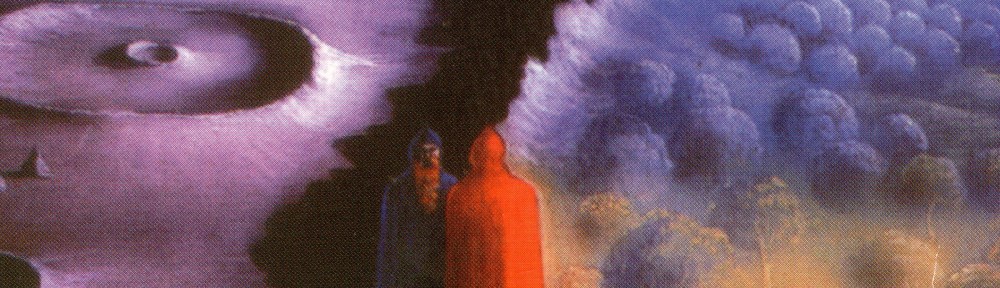
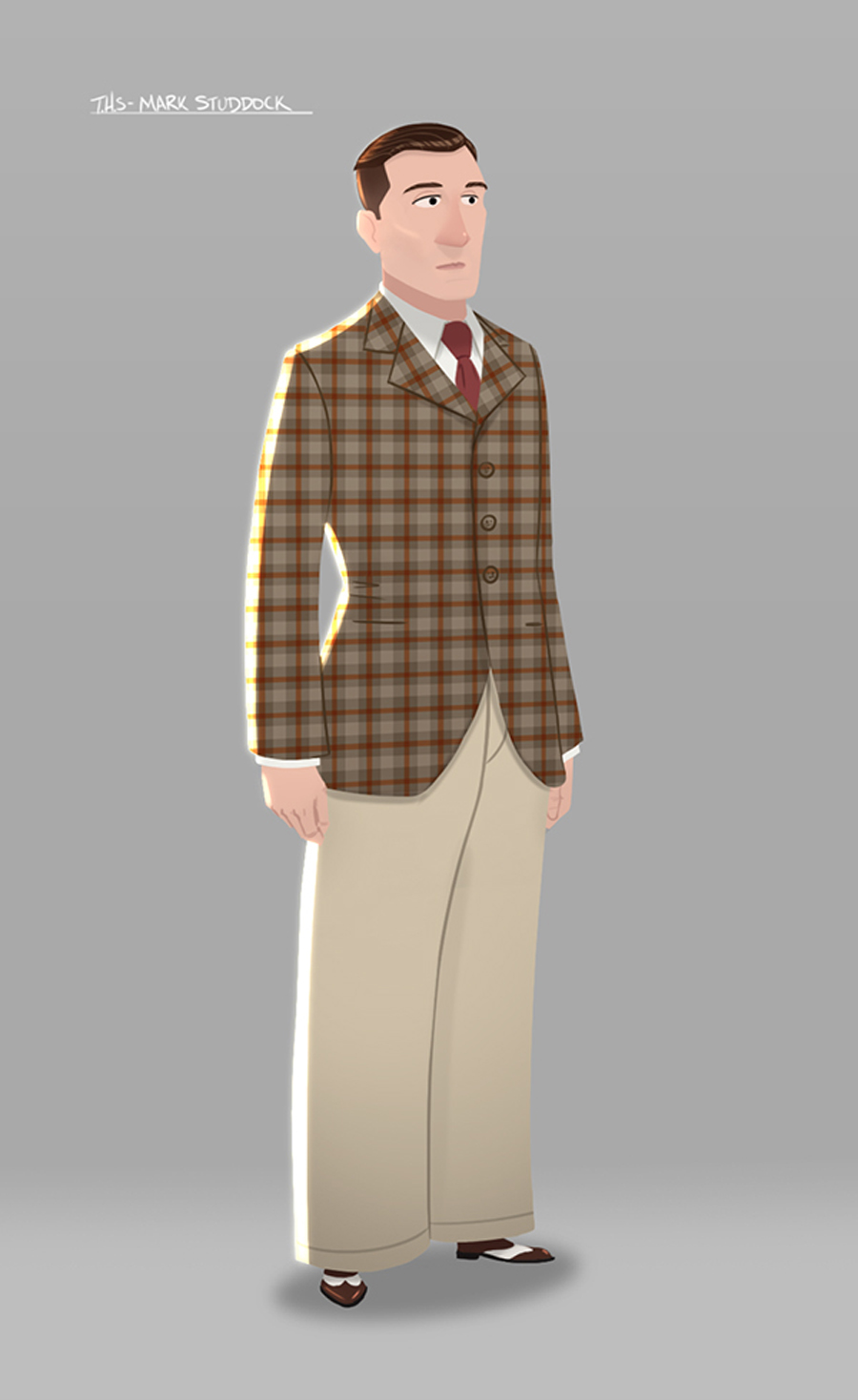
Illustration by J. P. Cokes
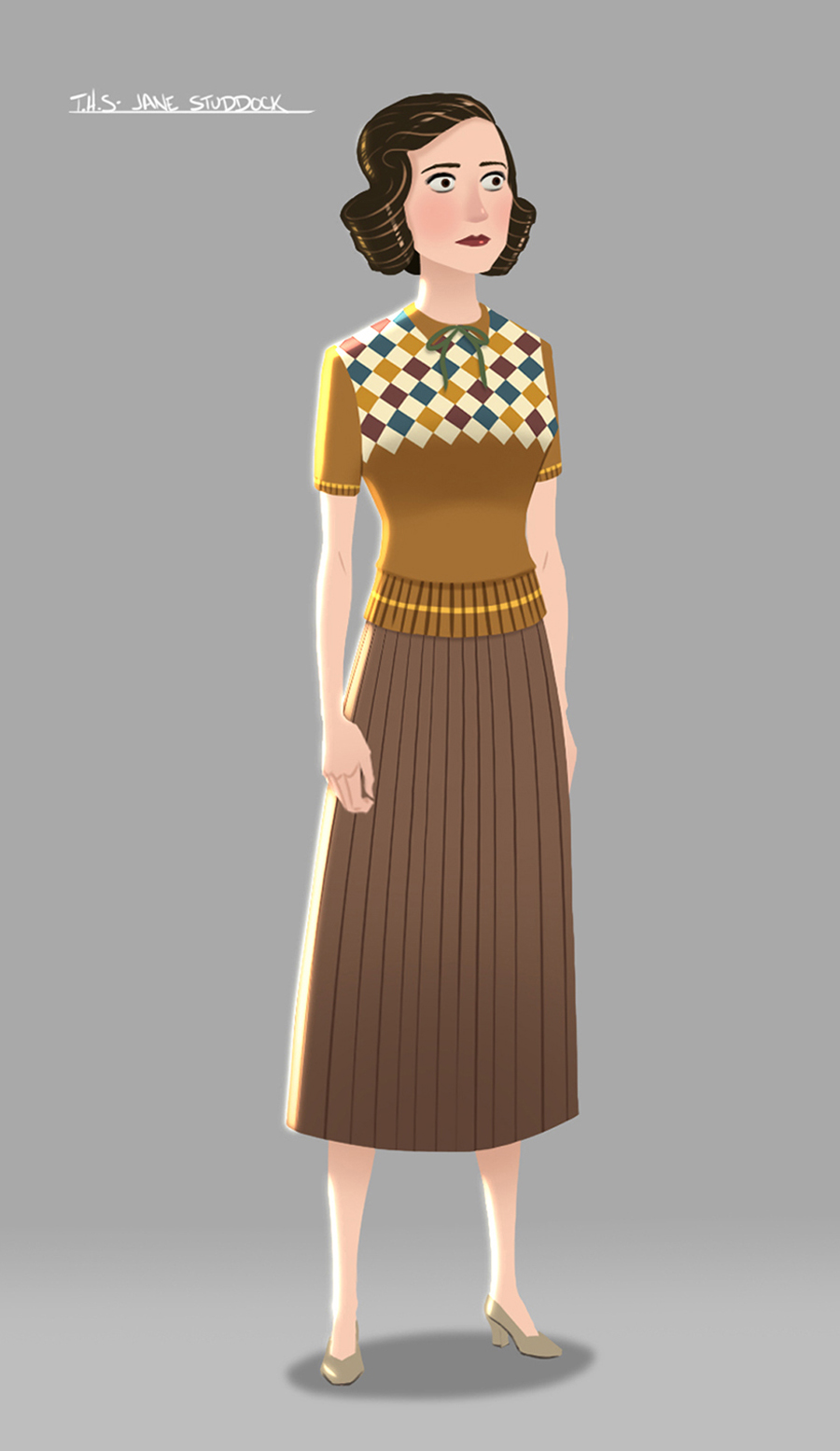
Illustration by J. P. Cokes.
SALE OF COLLEGE PROPERTY
Overview Question
Mark and Jane Studdock are in many ways a typical young modern couple: college educated, with professional aspirations. One might look at them, whether as characters in Lewis’s 1940s story or as people we meet on the street today and conclude that they have everything going for them. What more could they ask? Given this, who would think that Jane’s feminism, or Mark’s professional ambition, could lead either of them into any serious trouble? And yet, spoiler alert, that is what happens.
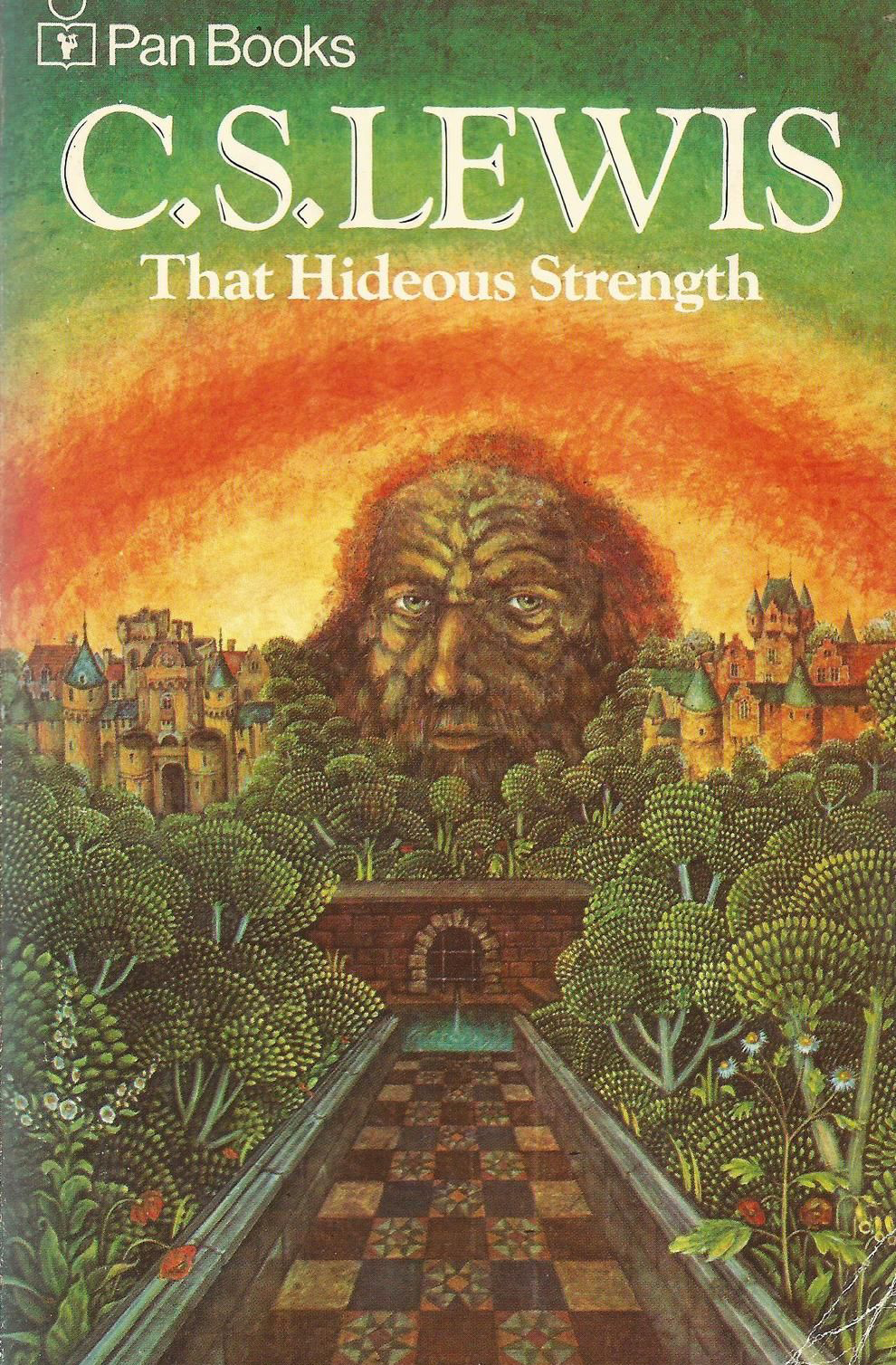 Likewise, who would think that the long description of Bragdon Wood and Merlin’s Well in Chapter 1, or the account of the Wood’s devaluation by Mark and the “progressive” element at the college, could have any special import for our story as a whole? But what if the Wood represents that whole sense of sacramental and mediated life in creation which we find both in the Bible and in the Middle Ages—including the importance of obedience to God, submission in marriage, humility toward creation, and the disciplined practice of the virtues and affections of the Christian community? For that is what the Wood does symbolize already at this early stage in the story.
Question: What conflicts can you see brewing between the worldview/lifeworld of Jane and Mark, as well as the “progressive” element at Bracton College, on the one hand, and the values and traditions represented by the history of Bragdon Wood, on the other?
DEEPER-DIVE QUESTIONS
- From the beginning of the story, how does Jane view marriage and family life? How does she see these traditions fitting into her larger plan for her own life?
- What seems to be Mark’s strongest motivation in life? How does this affect his relationships with other faculty at Bracton? With Jane? (For a major clue into Mark, if you are able, look up Lewis’s short essay “The Inner Ring” in The Weight of Glory.)
- Given what you already know about Jane, why do you think she becomes so troubled by: a.) her dream, and b.) Mrs. Dimble’s womanly attentions? Do these somehow interfere with or “trigger” her desired self-image and life-world?
- What impressions of Arthur and Merlin do you get from Dr. Dimble’s descriptions, and how is this reinforced by the narrator’s sketch of Bragdon Wood and Merlin’s well?
- What signs of the opposition between the modern and the traditional worldviews can you identify in the story so far?
________________________________________________________________________
The illustration (above) of Bragdon Wood and Merlin’s well, with the college and Merlin’s visage rising on the horizon, was the cover for the 1983 Pan Books edition of THS.
 Faith and the Arts