MOONLIGHT AT BELBURY
Overview Question
In this chapter, as Mark and Jane become more involved at Belbury and at St. Anne’s, they begin to uncover some of the deeper implications of the two worldviews that are calling for their allegiance. This concerns especially the concept of nature--that is, the role of the natural world in each worldview. How does the modern worldview at Belbury, with its emphasis on the freedom and reason of the individual (free from moral or religious constraint) affect the way the people at Belbury think about nature, and how they propose to use and interact with it? At the same time, how does the traditional worldview at St. Anne’s, with its emphasis on the religious and moral tradition of the Bible where freedom and reason are constrained by obedience to God (the Creator of nature) redirect this community’s awareness of and interaction with nature along very different lines? Overview Question:
What are the differences concerning the role of nature that Mark and Jane encounter at Belbury and at St. Anne’s, and why do these particular differences arise from each of the worldviews?
As you read through the different parts of the chapter—with the various accounts of Fairy Hardcastle’s sexual deviance, and Filostroto’s vision for a disembodied existence of virtual immortality free from the difficulties of organic nature and the body, and then of Jane’s difficulties adjusting to the rhythms of life at St. Anne’s with gardens, animals, shared chores, and no British class structure—try to reflect on the role of nature in each account. Which of the accounts suggests a cooperation with the order of creation or nature, and which, a rejection of that order?
It may also be interesting to note here that Lewis, in his book on the Medieval worldview, entitled The Discarded Image, tells of how the moon was regarded as a metaphorical boundary between the heavenly realm (where the angels dwell in heavenly order) and the earthly realm of “nature” (where fallen angels exercise their evil influence). We shall encounter this lunar metaphor more than once in the chapters ahead. In this chapter, lodged as it is both in the title and in Filostroto’s long speech to Mark, it probably is meant to suggest the lunacy that has infected the lifeworld at Belbury.
DEEPER-DIVE QUESTIONS
1. The character of Fairy Hardcastle is a revealing study in the ethical results of the modern worldview at Belbury. Fairy often seems somewhat aloof to the ideological principles of the NICE, and yet Belbury affords her a platform for the controlling and sadomasochistic habits that rule her character. How would you assess the fit between Fairy’s personal formation, especially her sexual proclivities, and the worldview that guides Belbury, especially its view of nature? What parallels can you discern in the attitudes and ideas that dominate the topics of sex and sexuality in American culture today?
2. After going “home” to St. Anne’s, Jane must get used to a very different social atmosphere at the manor–more easy-going, one might say, more “natural.” Jane has always seen herself as a modern liberated woman, and yet she finds it difficult to accept Ivy Maggs, her former maid, as an equal partner sharing chores in the community. Likewise, she doesn’t quite know what to make of an obedient bear and the other tame animals at large in the house. And she is still wrestling with the Director’s conception of marriage (Chapter 7), which also requires evidently a practice of submission and obedience. What conception of nature is at work at St. Anne’s, and why does it interfere in all of these ways with Jane’s former ideas and habits?
3. In Part 3 of the chapter, Mark is finally drawn into and made nearly a full participant in the network between the NICE activists who cause riots, the leadership at Belbury who control the local police, and the propaganda media for whom Mark now works. What parallels for this collusion between government authorities, corporate leadership, law enforcement, and media propaganda can you discern in the events of American culture and politics today?
4. Also in Part 3, Professor Filostroto proclaims to Mark in much greater detail his view of the ultimate goal at Belbury. This goal is to achieve a kind of virtual immortality through disembodied artificial intelligence (of which the experiment with the Head is a rough prototype). And Rev. Straik translates all of this into a contorted interpretation of traditional Christian beliefs and symbols; so that the NICE’s rather gnostic vision of a dis-embodied and immortal virtual existence is proclaimed by Straik as the real meaning of the resurrection and the kingdom of God. One can sense that Mark is both drawn in by this vision, and yet also repelled.
What parallels for this vision of virtual existence, free from the difficulties of natural life, can you discern in the cultural trends and political battles of 2022? And what do you think should be the genuine Christian response to the various issues involved? (In your answer, consider the role of the body, of sexuality, birth, and the family, and of the inherent difficulties involved in natural life, and the place of these “sufferings” in the development of the Christian virtues.)
______________________________________________________
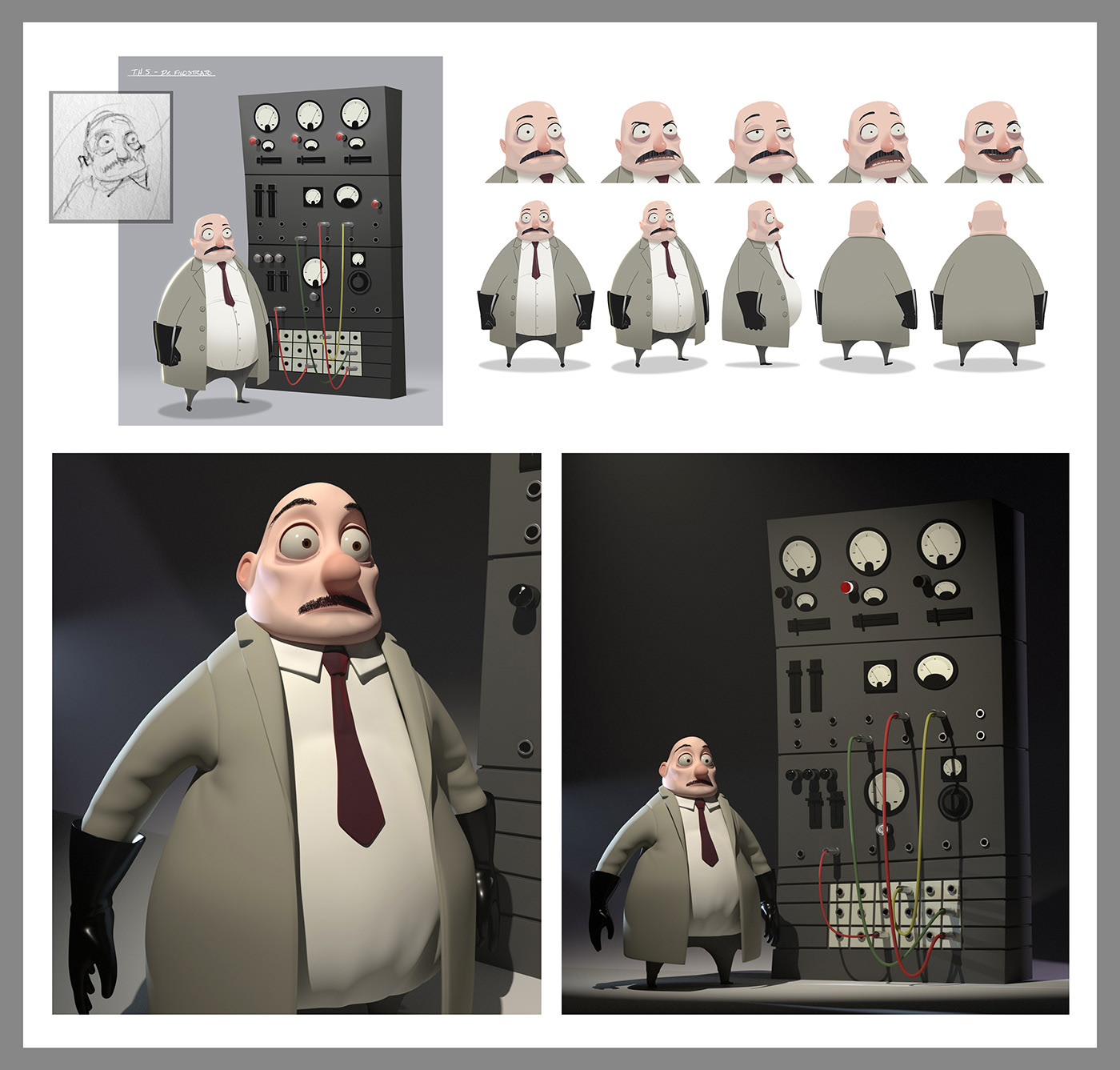
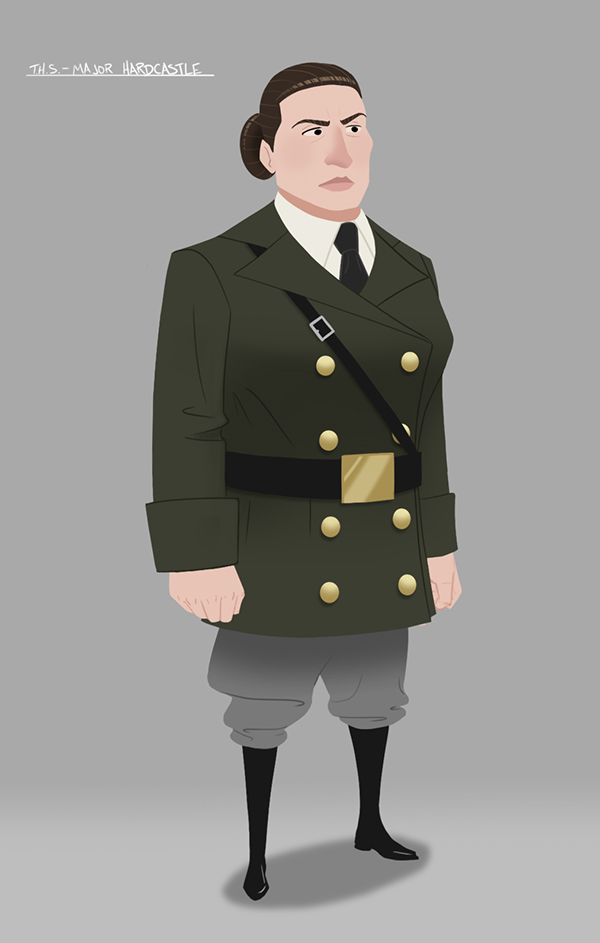
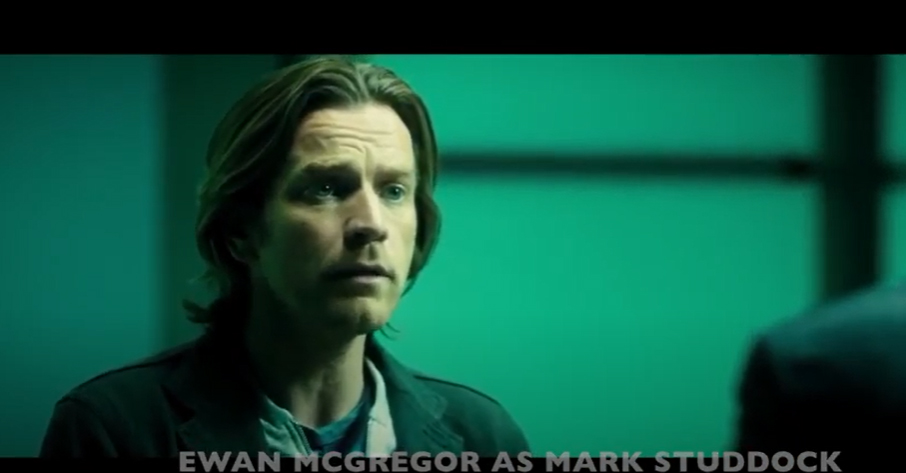
- It may seem odd in a way to use these rather comical illustrations for what are admittedly very dangerous and harmful characters in THS–characters like Filostroto and Fairy Hardcastle. But then Lewis himself wrote with both insight and humor about the motives and short-sightedness of the demonic characters in his Screwtape Letters. So, perhaps there is a place for laughing against the darkness even as we try to take seriously the task of exposing it in our own time.
 Faith and the Arts