THAT HIDEOUS STRENGTH: Chapter 17

The cover art for the 2014 edition of That Hideous Strength by C. S. Lewis, published by Kindle and by Create Space Independent Publishing Platform. The image suggests the taming of fallen Venus by her more powerful original in the good order of creation. In this way, eros finds its true home within the greater virtue, the greater heart of agape. How is this a symbol for Jane and Mark, for St. Anne’s future, and for ours?

VENUS COMES TO ST. ANNE’S

Overview Question

In this final chapter, Lewis brings a few things to a sort of penultimate completion, for example the roles of Merlin and of Dr. Ransom. At the same time, he leaves us with a set of characters and questions that, rightly engaged, pull us back into the world of our own lives (our families, our congregations, our communities, and nation) to ponder our own course on the road ahead.

We have seen in earlier chapters how Ransom and Merlin, and the members of the community at St. Anne’s, have so far responded to the spiritual battle with Belbury and Edgestow in which they have been engaged. Now, in the final chapter we overhear, so to speak, their conversations about the ongoing battle that they have yet to face, and the parameters within which they must make their battle plans for the future. These parameters include hints about the ongoing “conversions” of Mark and Jane and the others at St. Anne’s (Parts 1 and 2); but also some more explicit statements about the nature of Logres, going forward, when the community at St. Anne’s must be prepared to meet again and to fight back against “other Edgestows” (Parts 4 and 5) under the same kind of distorted leadership as before (e.g., Curry, the well-informed man in the train of Part 5). This brings us to our final Overview Question:  

Taking the story of THS as a whole, especially the sense of future direction that arises in the final chapter, what would you say are the key principles—both at St. Anne’s and for us—that define the goal of their/our lives, and the signs that they/we are in fact making progress toward this goal?
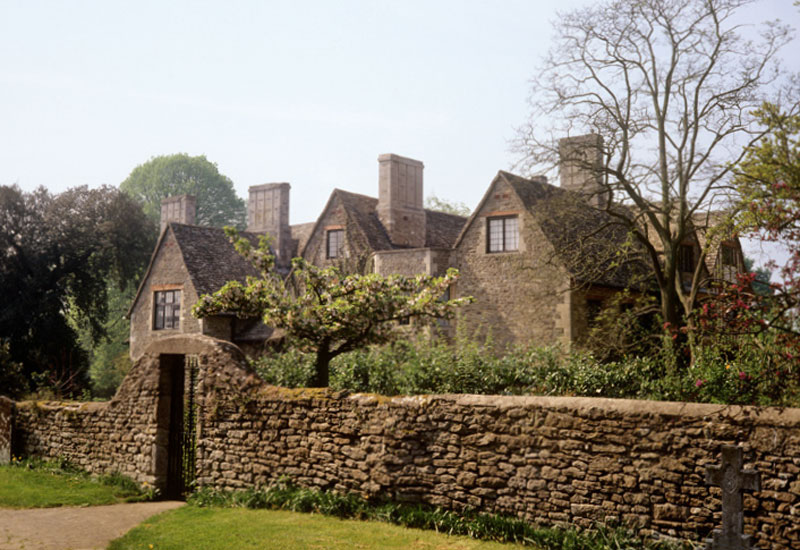
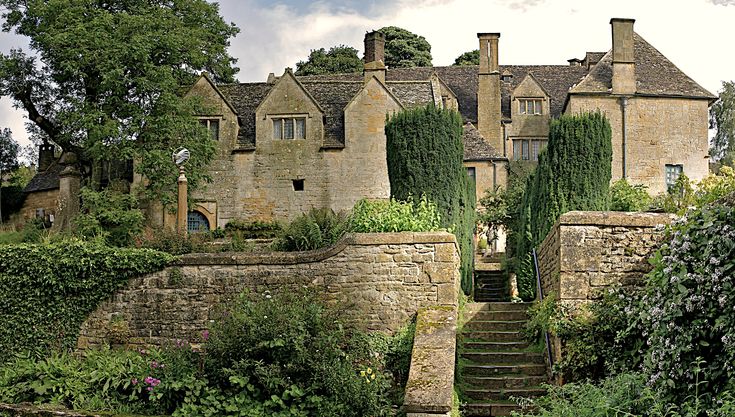
“Just” another English manor house with gardens and natural stonework suggesting the kind of place and culture created by the community of St. Anne’s on the Hill in Lewis’s story. And yet, this is also the kind of place that represents and symbolizes the critical spiritual values, virtues, and strengths of Logres in the history of England which are determinative for the future of this tradition. How is all of this attacked by the Belbury and the NICE of our day?

DEEPER-DIVE QUESTIONS

1. In Part 1, after the debacle of the banquet, Mark is making his way to St. Anne’s on the Hill to find Jane and to give her “her freedom.” What are the signs that the conversion already begun in him is really taking root and expanding into various parts of his personality and the habitual way of life (the lifeworld) that he had formerly considered so important? What does this portend for Mark’s future, his marriage, and his potential for a different role in society?

2. In Part 2, Jane is with the other women of St. Anne’s trying on beautiful dresses in preparation for a great meal that the men of St. Anne’s are preparing. What are the signs in Jane’s thoughts and attitudes that the conversion already begun in her is also expanding into the wider regions of her personality and her former habitual way of seeing herself and trying to present herself to others? What does this portend for Jane’s future, her marriage, and her potential for a different role in society?

3. In Part 3, Lord Feverstone comes to his end swallowed up in an earth quake at Edgestow. He dies in a manner reminiscent of the sons of Korah in Numbers 16, and for the same reason: He has placed his own fame and fortune above everything else in life, and so he vanishes into nothing. At the same time, Part 3 gives us the last mention of Merlin who rides away on a horse yet, as Jane has seen earlier in one of her dreams, he has also been like a pillar of light used up completely in God’s good work of deliverance at Belbury. What do these very different “ends” tell us about the worldviews and lifeworlds of Merlin and Feverstone?

Anyone who knows the reality of farming or ranching, or any life that is lived closely within the powers and forces of nature, also knows how these powers offer immense opportunity for the training of the virtues and the fruits of the Spirit. This is the world of God’s continuing creation (creatio continua) in which we live and move and have our being, and within which we give thanks for our sufferings because we know that our Maker is using them to remake us in the image of his son, our Lord (Romans 5:3; 8:29). It is also the world of everyday ordinary life when we embrace this life with all of its challenges, in Christ.

4. Part 4 begins with Camilla’s question, “Why Logres, Sir?” which she asks of Ransom; though it is Dr. Dimble and Grace Ironwood who do most of the answering. In their answers, they talk about the importance in Logres (the ancient realm of King Arthur, which we commented on at some length already in Chapter 13) of a certain understanding of “Nature” (what I would call creatio continua), and of the tradition of faith and freedom that “haunts” English history all the way back to Arthur (and before), and of how this tradition must often be pursued in the most mundane ways, as they have in fact been pursuing it steadily at St. Anne’s. Working with your earlier answers in Chapter 13 and elsewhere, how would you define the meaning and significance of Logres, both in the story and in the present world of American culture and politics which also reaches back into this history?  

5. At the end of Part 4, there is also a discussion about the status of other countries in relation to Logres (this haunting of England) and about the seeming unfairness of the judgement of the people of Edgestow. What do the conversations about these two issues tell us about the traditional worldview, at least as C. S. Lewis understood it and recommended it through the characters in his story? What parallels can you find in Lewis’s other works to support your answer?

6. Part 5 is all about the future prospects of Curry, the Sub-Warden (“Dean”) of Bracton College. This is the Curry who in Chapter 1 manipulated the faculty of Bracton to sell Bragdon Wood to the NICE with a view to padding the purse of the college as well as his own career, and without even considering the moral or spiritual dangers. In Part 5, Curry discovers a way to turn the tragedy of the destruction of Edgestow and the college into a “providential” turn of affairs for himself. Why is it significant in the story that Lewis portrays Curry as the kind of man that people will see as empathetic and wise, though in reality Curry is only thinking of the future (and even of God’s providence) in terms of his own fame.

Garden With Beans and Flowers, watercolor by Craig Gallaway, copyright 2005 by Gallaway Art. A simple painting of a well-kept garden seems an appropriate image by which to contemplate the future imagined in the story for Jane and Mark, St. Anne’s, and Logres. For a garden is symbolic in the traditional worldview both of where we began, and of how we move forward toward the goal of the New Creation. There is, of course, a battle to engage along the way; but then we have our Lord’s own Spirit and power to guide and strengthen us.

7. The final part of the chapter, Part 6, is focused on the theme from which the chapter takes its title: “Venus Comes to St. Anne’s.” In addition to all of the echoes of Genesis 1 among the animals (“be fruitful and multiply”), why does it make perfect sense, given where the story of THS begins (with Jane contemplating the emptiness of her marriage) that the story would end in a chapter with this title? That is, with Jane and Mark Studdock coming together as husband and wife in a way they have never before been able to do? What are the chief virtues that seem to characterize this new potential for marital union? And how will this practice of faithful marriage strengthen their ability to promote the cause of Logres in England going forward?
THAT HIDEOUS STRENGTH: Chapter 14

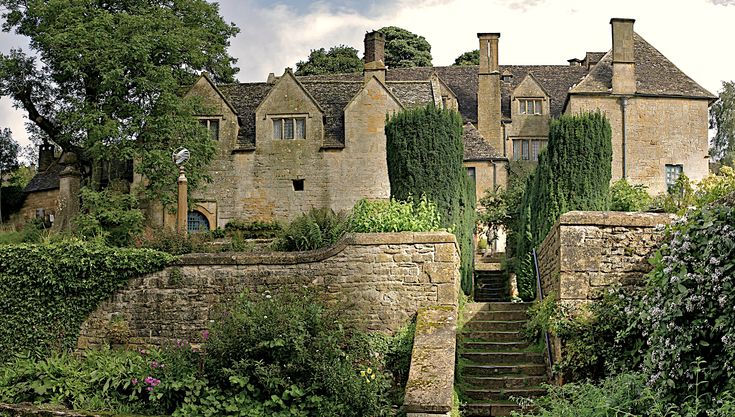
An English manor house and grounds suggests the kind of place–with gardens and stone walls in close proximity with nature–that Lewis describes as the setting for the traditional community of St. Annes. We might imagine Mr. MacPhee at work in his garden, or Camilla and Arthur Denniston standing out on the hill watching the weather and rejoicing in the clouds of an English sky.

“Real Life Is Meeting”

Overview Question

In this chapter, both Jane and Mark move further along the path of what can only be called, in Christian terms, “conversion.” They have come a long way since the beginning of the story. They are both being converted from their earlier formation in the Enlightenment worldview, during their college and professional years; and they are being converted to what we have called (from the beginning of our study) the traditional worldview. The latter also includes what we came in the last chapter to identify with the role of Merlin in Lewis’s story: Merlin the advocate of God’s order of creation in nature, and of Christian marriage, and of English common law with its conservation of basic human rights and freedoms (the 7th law) as these are shaped by biblical faith. All of these are integral parts of the traditional worldview (lifeworld) as it came to expression in England from the Middle Ages onward until it was challenged head-on in the 17th and 18th centuries by the anti-tradition and anti-religious worldview of the Enlightenment.

Jane and Mark are being converted from their former college training and formation; and both are coming to see and appreciate why the traditional worldview (with its inherent lifeworld) holds much that they now want to re-embrace if they can only discover how. But each of them comes to this by a different set of means or mediations. This brings us to our Overview Question for this chapter:

Look carefully at Mark’s “conversion” in Parts 1 and 4 (note Lewis’s use of the term) from Prof. Frost’s deconstruction of all traditional values, and toward what Mark only knows to call the “Normal.” Then, look closely also at Jane’s struggle (in Parts 2 and 5) first with Mother Dimble’s traditional ways about marriage, and then with her own licentious fantasies, until she turns in the garden (after her talk with Ransom) toward the “presence” of God. Based on your observations, try to identify the means by which each of them is helped along this path of conversion. What kinds of things are involved in each of their cases (e.g., mentors, memories, conscience, innate or instinctual longings or repulsions, Scripture, and other traditional echoes). By what means from within the traditional worldview are Jane and Mark drawn into the orbit of God’s further influence and healing? 

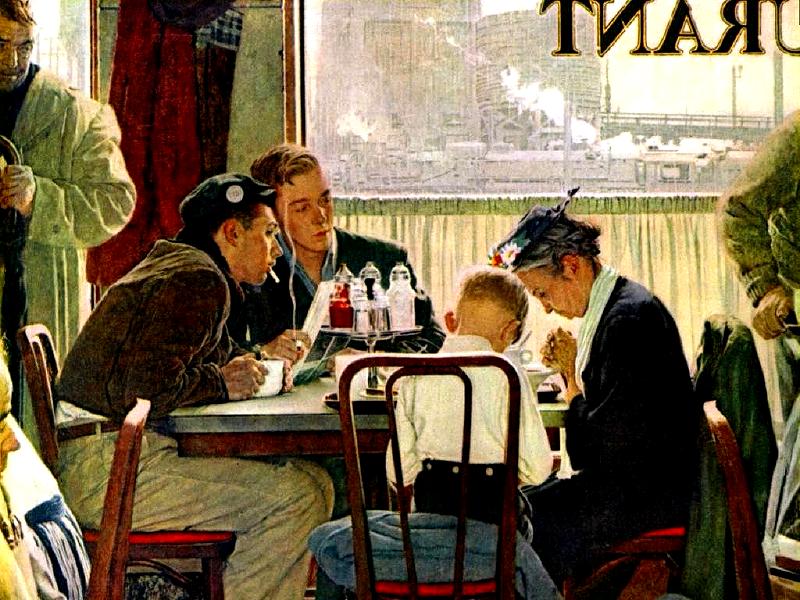
Norman Rockwell’s painting, Saying Grace (1951), though set in America, reflects the place of religious faith in mid-twentieth century English culture as well. The deep biblical roots of the Christian religion were still visible in public life but were beginning to be pressed to the margins and to become a novelty.

DEEPER-DIVE QUESTIONS

1. The title of this chapter may hold a clue to the importance of several “minor” characters at this point in the story, characters whose impact we might be inclined to ignore unless we understand the deeper significance of the conversion that is taking place in both Jane and Mark. For example, in Parts 1 and 4, Mark is introduced to the Tramp—Frost’s and Wither’s false Merlin—whom they hope will help them advance their plans to combine ancient magic with modern technocratic controls. During Mark’s sentry duty, however, he finds that he is able to bond with the Tramp in a way that is more grounded in common humanity than he had ever achieved in his efforts to join the inner ring of power with Frost and Wither.  Similarly, Jane is at first put off by Mother Dimble and Ivy Maggs because they represent a kind of storied traditional role for women and marriage to which Jane has been averse; but then she begins to discover that they are part of something that is much deeper and truer to real life than her habitual feminist ideas have led her to believe. Why is it that these “common people,” with their uneducated and even uncouth ways (the Tramp), embody the promise of meeting real life in a deeper and truer way? What is the source of this real life that Jane and Mark are meeting in these common people?

2. In the middle of the chapter, Part 3, we find a brief digression on the fate of Mr. Bultitude, the bear. Lewis goes to some lengths (as he always does in his descriptions of the bear) to notice how Mr. Bultitude’s way of processing information is not the same as that of a human being. Mr. Bultitude does things by instinct, not by moral choice, reflective deliberation, or conscience. This echoes Lewis’s traditional sense of the hierarchy among animals, humans, and angels (an echo of his love for the “triadic” thinking of the Middle Ages[i]). The result of this triadic thinking is to highlight, by contrast and comparison, the specifically human task of being human. How do the innate limitations of Mr. Bultitude’s instinctual behaviors help to clarify the specifically self-reflective and moral nature of the choices and loyalties that are now required of Mark and Jane if they are to complete their conversions and become fully “human” in the traditional sense?

3. All along the way in our study of THS, since we began early last August, we have tried to evaluate the relevance of Lewis’s insights regarding the cultural battles of his time (the mid-1940s) with the cultural and political battles of our own. With only three chapters after this one left to consider, this may be a good time to take an interim inventory. Here are some of the major discoveries that we have made along the way so far. Consider briefly how each one of these may find a counterpart in the events and agencies of our own day.

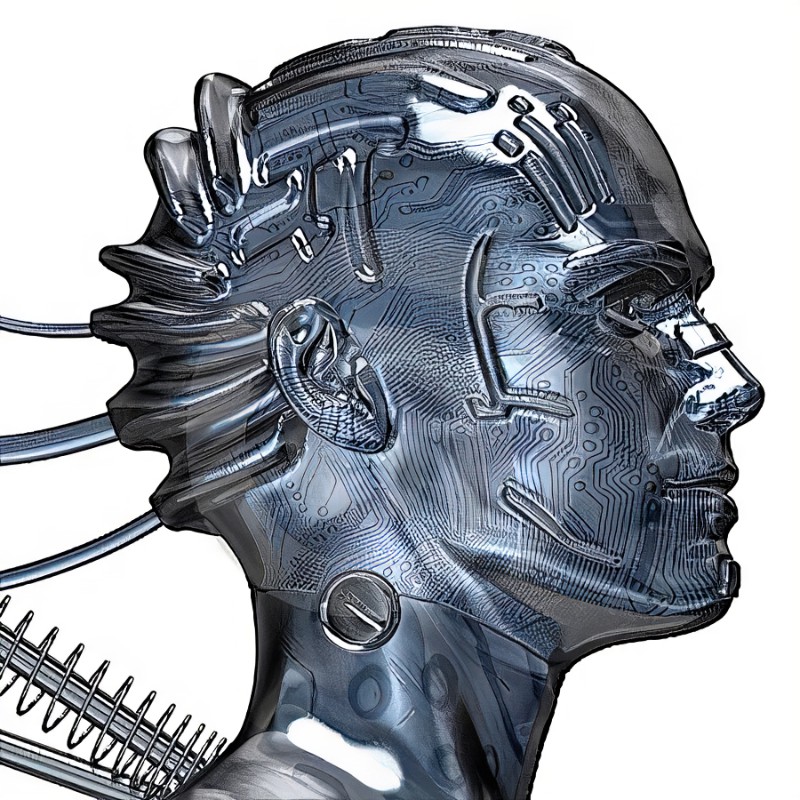
A high-tech image of a head suggests the kind of technocratic vision of the future promoted by the NICE. This has only grown and become more lurid and explicit since Lewis’s day among groups like the WEF and the “transhumanism” movement.

a. In Chapter 2, the faculty and Feverstone discuss how their ideology will spread through all the institutions of society—including education, politics, science, business, the press, etc. (cf., the neo-Marxist Long March Through the Institutions). Where is this sort of thing taking place today?

b. Also in Chapter 2, we saw how Busby and Mark and others endorse a kind of “applied science” which is really a mask for their social ideology and a way to gain control both of society and academia, for example, by rejecting traditional scientists such as William Hingest (who still require empirical evidence to support their claims). Where have we seen this sort of thing today?

c. In Chapter 6, Mark caves in to the NICE and assumes the role of an “activist journalist,” writing propaganda articles that whitewash the NICE for public consumption. What are the primary arms of activist journalism today, and on what stories have they practiced this kind of white washing? Are there any news agencies today that practice traditional journalism?

d. In Chapter 7, Jane discovers that she has held a view of marriage and sexuality that is centered, like her Enlightenment worldview, on the freedom of the individual self (self-expression, self-definition, self-indulgence). This has led her to regret her marriage to Mark, and to be vulnerable to adulterous thoughts. Where do we see this self-centered view of sexuality and even of marriage in our culture today?

e. In Chapter 8, Filostroto proclaims to Mark his vision for a future technocratic society where people are programmed by technology, and where human beings achieve a kind of immortality through artificial intelligence. Where do we see this kind of ideology at work today?

f. In Chapter 10, the NICE take control of Edgestow as the four stages of cultural revolution come full circle with the declaration of emergency powers. At the same time, normal people become jaded against their fellow citizens in a kind of mass formation which allows them to “stay under the radar,” protect themselves and their own jobs, while they “go along in order to get along.” Where have we seen this sort of thing at work today?

g. In Chapter 11, Jane goes with other members of the St. Anne’s community to look for Merlin, and they all find themselves shaken awake by the nominal degree of their own faith when they have to face some kind of real spiritual power or danger. Where have we seen, in recent events, the awakening of faith as a result of coming face to face with the denial of human rights and basic freedoms, including the freedom of religion and conscience under God?

h. In Chapter 13, Ransom explains to Merlin why God will only work to set things right by working through human beings who are willing to be his partners in the work of restoration (the 7th law). Where in our political debates today do we find this concern to preserve the role of human conscience and agency under God? And where do we find this calling either manipulated (made to serve a prior state agenda), rejected, or simply absent from the discussion of how to restore and renew society?


[i] C. S. Lewis, The Discarded Image (Cambridge, 1964) pp. 56-57, 71-72.

FOURTH SUNDAY OF ADVENT 2022, Week 4: You Ain’t Goin’ Nowhere and the Wedding Banquet of the Lamb

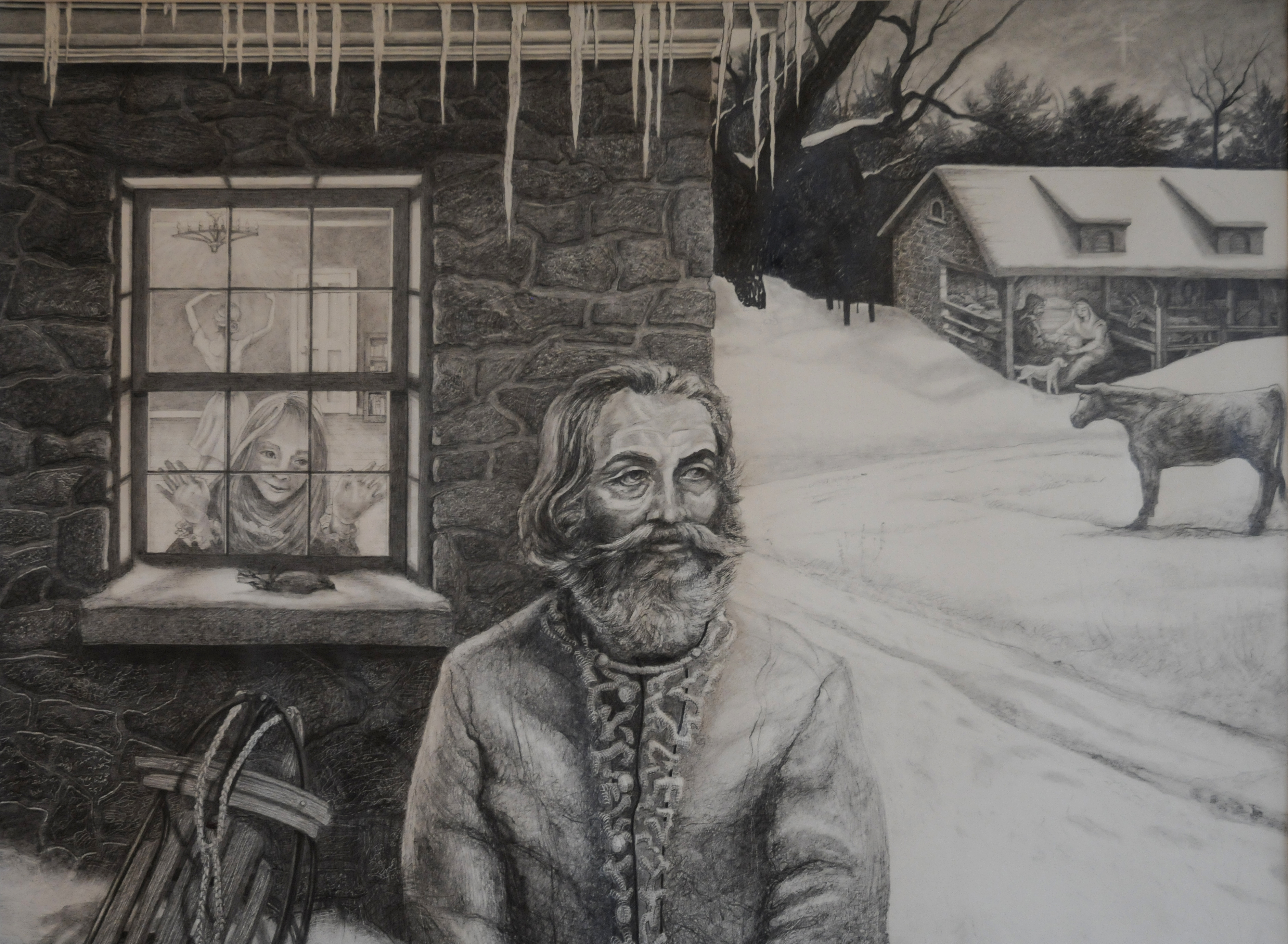
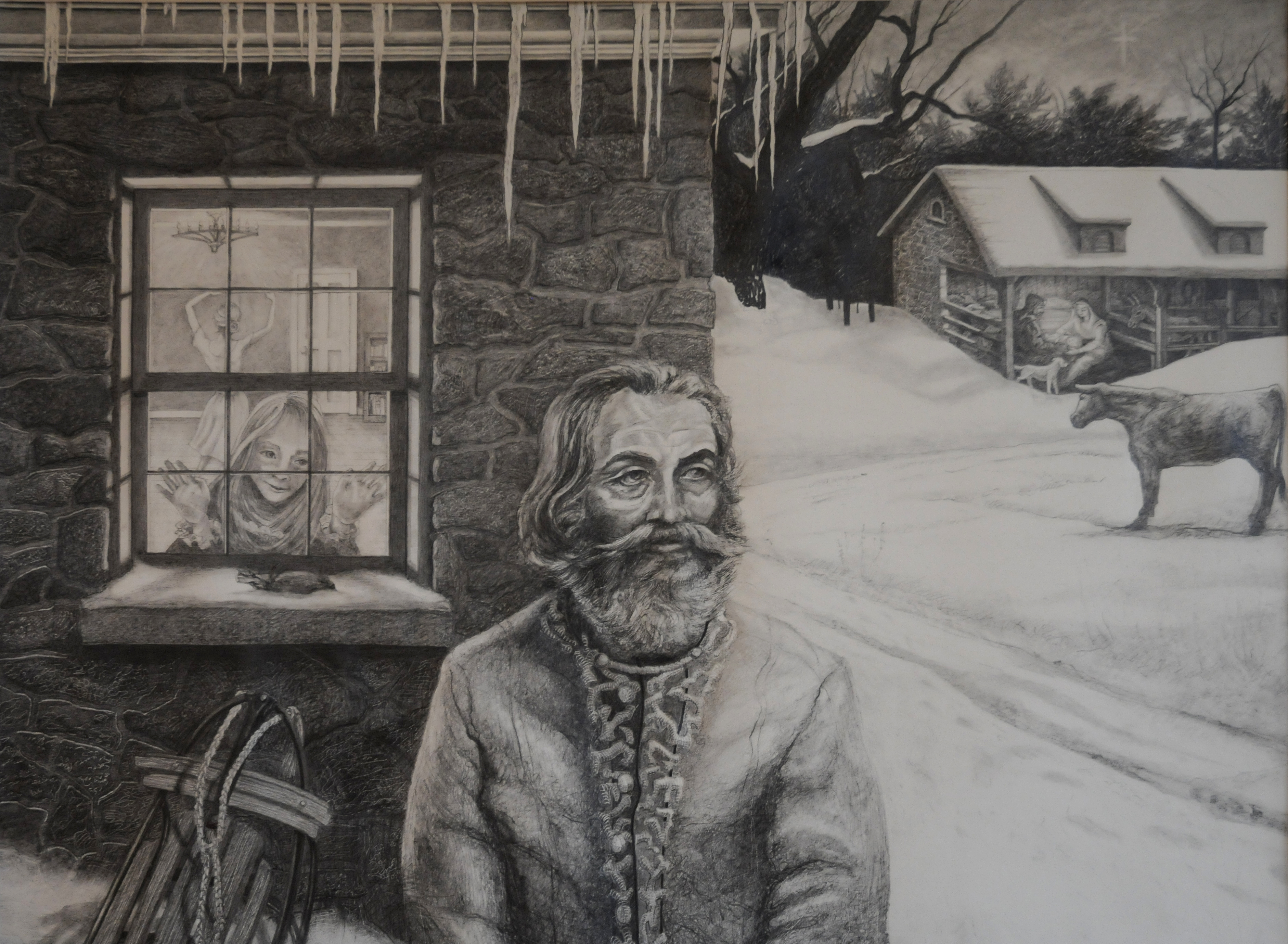
Saint Nicholas of the Dowry, Graphite drawing by Craig Gallaway, copyright 2011. Saint Nicholas is famous for his affirmation of marriage and for his support of young women who could not afford a dowry. In some cases, it seems, he was all that stood between them and a life on the streets.

Some might think it odd for Deb and me to choose an old Bob Dylan song, about the challenges of getting married, to celebrate the birth of our Lord and his purpose to restore the good order of creation. But then, in the Bible, there are few things that need restoration more than God’s good gifts of marriage and sexuality. And there is something in the very structure of Dylan’s song that echoes what the Bible has to say about this—how our incarnate Lord, born at Bethlehem to be both King and Bridegroom, wants to restore the order of marriage in his kingdom. [i]

We learn from the Apostle Paul and others that Jesus is the true bridegroom of his people, the church, and that he has suffered much to make the church his bride (Ephesians5:21-32). The epistle to the Hebrews tells us that, “He was tempted in every way as we are, yet without sin,” and this is why “he is able to sympathize with our weaknesses.” (Hebrews 4:15). Paul tells us that he was “obedient even unto death on a cross . . . and so God has highly exalted him and given him the name that is above every other name, Lord” (Philippians 2:8-11). And Hebrews again speaks of how “He endured the cross for the joy set before him, and then sat down by the throne of God,” (Hebrews 12:2) from whence he now reigns, “until God has put everything in order under his authority” (1 Corinthians 15:20-28).

This is the basic biblical narrative of the incarnate Son of God, from the time of his birth, through his faithful life and death, his resurrection and sending of his Spirit, and on now with his people, the church, toward the time when the great restoration will be fulfilled. And this is the narrative of our lives as well, if we have joined our lives to the living reality of his, by faith. For we are called to live our lives in him, and this means to follow him in the way of faithfulness and, yes, in the way of sacrifice. Paul puts it like this in Ephesians 5.

“Husbands love your wives, as Christ loved the church, and gave himself for it . . . so that it might be holy and without blame” (verses 25-27). “Wives, be subject to your own husbands as to the Lord” (verse 22).

In this way, Paul calls wives to exemplify what every Christian, including husbands and the unmarried, are called to do (cf., Romans 12:1-2). And he calls husbands to imitate the faithfulness of Christ, so that they may encourage and strengthen their wives in the pattern of life (in Christo) to which all people are called, again including the unmarried. We are all called to imitate the greatest Bridegroom of all, in the power of his Spirit, so that our lives may become whole and strong in him.

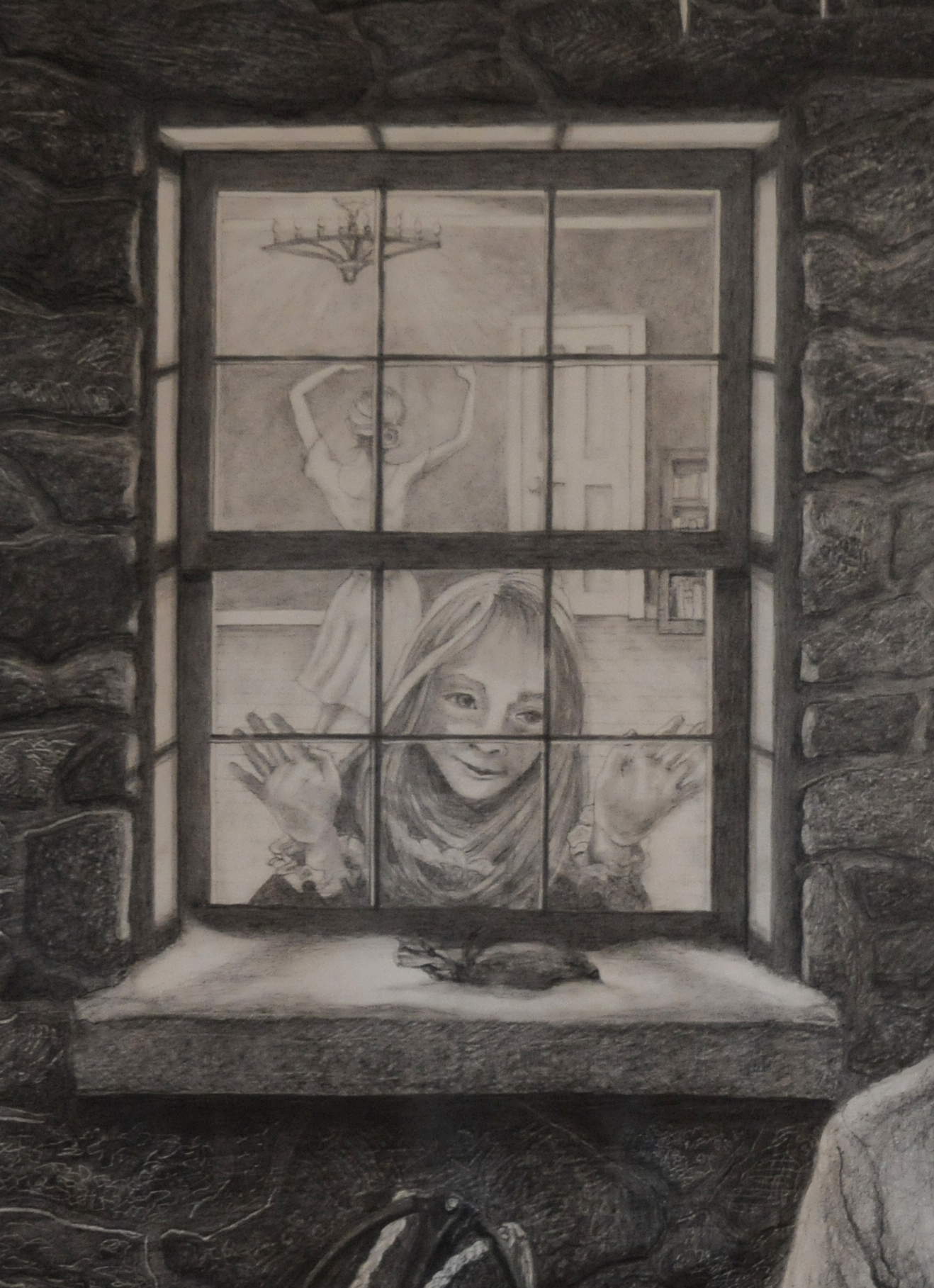
Saint Nicholas of the Dowry, detail, Graphite drawing by Craig Gallaway, copyright 2011. A younger sister looks out the window where Nicholas stands, having left a bag of gold on the windowsill. (In some early accounts, he would have dropped the gold down the chimney, or secretly left it inside the house.) Her older sister dances in the background because she has hope now to marry. My drawing no doubt makes their accommodations look more convenient than they would have been.

Of course, there are ramifications that ring out into our lives from this narrative. For example, we must not make an idol of sex–that is, to give it more power in our lives than it is due–unless we want to become confused about its real purpose. The degradations that result from idolatry are what Paul has in mind in Romans 1:18ff. Also, we should recognize that marriage has several purposes—mutual help, comfort, the procreation of life, and the preservation of chastity (Genesis 1-2, 1 Corinthians 7)—not all of which are focused on sex. If we are to follow our Lord, and live in his Spirit, we must be ready to take up the larger and wider callings that come with being good wives and husbands, as well as good neighbors and members of his bride, the church. Whether in our own personal lives, or in our corporate life together as his people, eros must be governed by agape. [ii]

But what, then, does all of this have to do with an old Bob Dylan song about a prospective bridegroom who is struggling to manage his inner fears, temptations, and doubts as he anticipates the arrival of his wedding day? Will he bolt and run, for fear of failure in the challenges of married life ahead? Or will he “get his mind off of wintertime” and rejoice in the arrival of his bride? Will he listen to the siren voices of romantic wanderlust, and travel to some distant place, or will he “pick up his money and pack up his tent” and look forward to the coming of his bride? What did Jesus do? What is he doing now?

By the third verse of Dylan’s song, we discover what our protagonist has decided to do. He will stay and embrace the covenant of marriage, with all that it entails. He plants his feet on solid ground and calls for the instruments of creativity and provision (perhaps also of procreativity): “Buy me a flute and a gun that shoots, I won’t accept no substitutes.” He intends now to honor his bride, like the Bridegroom is doing. He will fight for her against the enemy’s opposing forces, even if some of his own troops are weary or lagging. [iii] And he will “climb that hill no matter how steep,” so that he may rejoice in the joy set before him.

Thus, with the scriptural narrative ringing in our ears, we know what our Lord, our Bridegroom, has done (in his faithful life, death, and resurrection) and is doing (in the presence and power of his Spirit) in anticipation of the great day when his faithfulness will be fulfilled, when we too shall rise like him from the dead, and there shall be a new heaven and a new earth, and there shall also be a great wedding banquet for the Lamb and for us.

Can you hear, as Deb and I do, his voice echoing beyond our own as we sing about the place of our marriage in his New Creation purpose and care?

Ooo wee, ride me high, tomorrow’s the day my bride will arrive.

O Lord, are we gonna fly, down in that easy chair.


[i] Deb and I aren’t saying that Dylan intended or foresaw all of the biblical allusions that we see reflected in his imagery. But he did become a Christian later in life; and he was always deeply influenced by the Bible, as he once told Paul Stookey.  

[ii] This seems to be the main point of C. S. Lewis’s reflections in The Screwtape Letters, regarding the demonic strategy that uses certain art forms to confuse people about the importance of “being in love,” that is of romantic or erotic passion, as if this were the foundation and purpose of marriage. If the demons win this battle, says Lewis, they also create an excuse for divorce when the level of excitement changes over time. But then, Lewis also portrays, in That Hideous Strength, how the affection of eros can be restored where husband and wife learn to embrace the larger pattern of servant love (agape) and obedience to God. Eros can return as a result of a more caring and wholesome way of life together, not as the goal or purpose of marriage itself.

[iii] Given the culture wars in America today, many of which turn on the definition of sex, gender, and marriage; and given the strong rhetoric of “hate speech” that has been cast against Christians for trying to uphold, much less to recommend the covenant of marriage as a source for sexual healing in our culture; Paul’s discussion of spiritual warfare (Ephesians 6) just after his instructions regarding marriage (Ephesians 5) does not seem at all accidental. In any event, to promote the Christian practice of marriage in our present culture will be a spiritual battle, to be sure; but one that the church must accept with a whole heart.  

FIRST SUNDAY OF ADVENT 2022: Gabriel’s Message and Mary’s Obedience

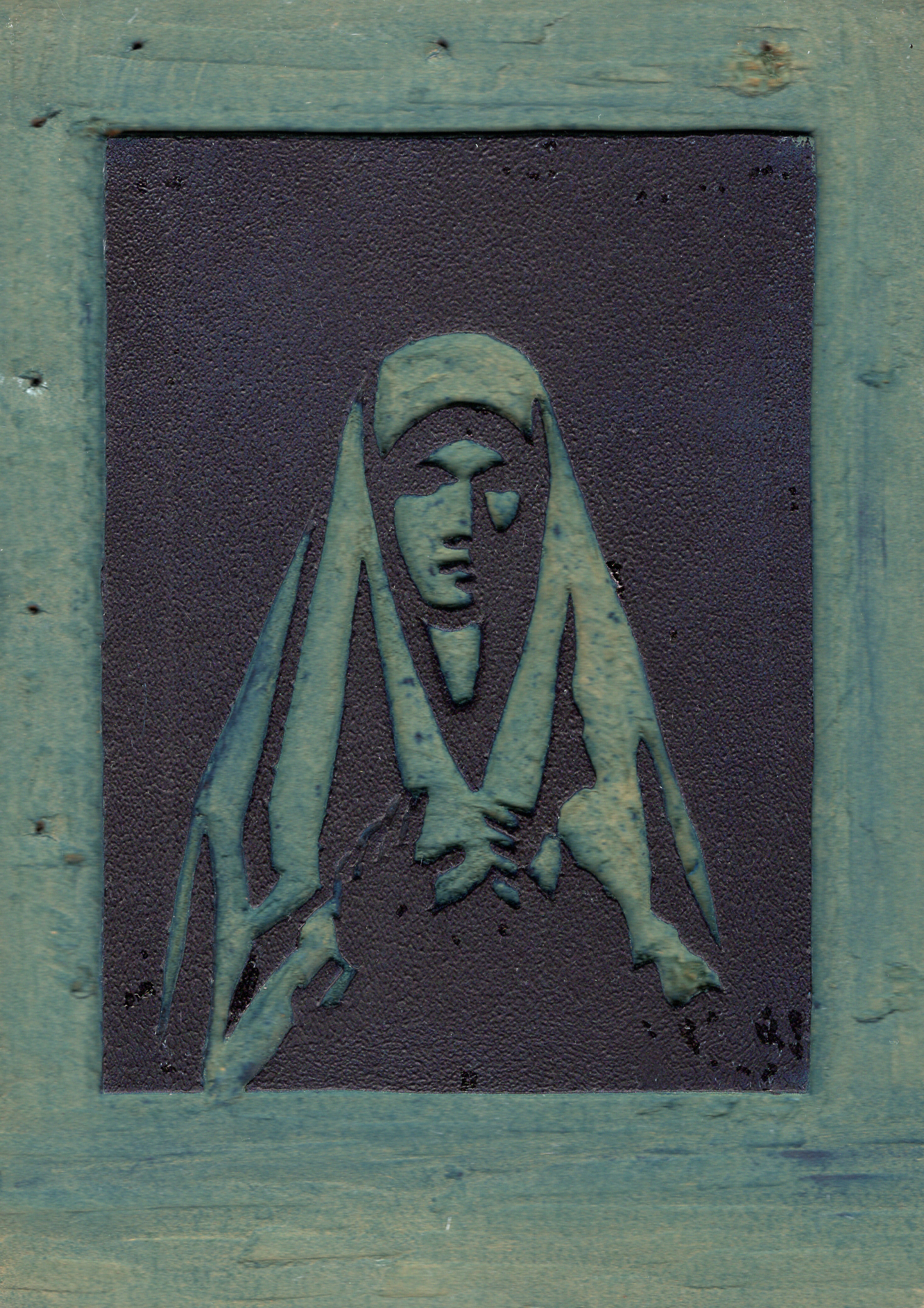
She Kept These Things and Pondered Them in Her Heart, linoleum block print by Craig Gallaway, copyright 2000. After Antonella Da Messina, Virgin Annunciate, 1465.

Gabriel’s Message, a 13th century Basque carol paraphrased into modern English (mid 19th century) by the Anglican priest Sabine Barring-Gould. This arrangement for cello and guitar by Craig and Deborah Gallaway (copyright 2019) influenced by a live-video performance of the recording artist, Sting.

“BE IT UNTO ME, O LORD, ACCORDING TO THY WILL.”

When the angel Gabriel came to Mary to announce that she would give birth to a very special son, Mary already knew and loved the ancient Scriptural story of the covenant and the promise of which he spoke; and thus, though initially startled by his appearing, she came quickly to see why he called her “favored one.” Her son would become the promised King of Israel in the line of David (that is, the Messiah, Christos). And he would fulfill the promise that God made to Abraham (Genesis 12:1-3): “All the nations of the earth shall be blessed in you.” Given this background, we may find it only reasonable, an almost predictable response, that Mary would answer Gabriel, “Be it unto me according to what you have said.” But then we would miss the chain of difficulties, warnings, and dangers that the angel’s message brought into Mary’s life. Her faithfulness was never untested.  

For one thing, the angel’s message put Mary’s approaching marriage in jeopardy. How would she explain this unprecedented pregnancy? Matthew’s gospel is candid about Joseph’s initial misgivings. We know that Joseph eventually stood faithfully with Mary as her husband; but she did not have assurances of this when she first embraced Gabriel’s life-altering news. And yet, in this way, Mary also gave her own marriage back to God, the Creator of marriage itself. She did not make an idol of it or bend it into some other shape that would come between her and her Maker. Her marriage would be a place where God’s purpose to restore the world, to restore the faithfulness of marriage as well, would be at home.

Then, after Jesus’s birth at Bethlehem, Mary and Joseph took their son to have him circumcised at the Temple in Jerusalem (Luke 2:22-35). And there, meeting Simeon, Mary faced another fierce test of faith. For though Simeon confirmed Jesus’s identity as the promised King whose reign would bless the whole world; he also warned Mary that her son would be a cause of division and conflict in Israel and that “a sword will pierce your own heart as well.” Yet here again, Mary did not pull back. She did not make an idol of her own or her son’s future safety by grasping at security. How “normal” that sort of family-anxiety would have been. Instead, she offered her life and waited to see how God’s promise would yet unfold. Did she foresee clearly or fully how Jesus would defeat the fear of death and the stubborn idols of anxiety and avarice at the cross, in his resurrection, and with the gift of his Spirit? No, surely not, at least not as yet; but she put her faith in the God whose promise to Abraham was to restore the world, and whose covenant was now focused somehow in this Son to whom she had so recently given birth.  

Study for Saint Nicholas of the Dowry, graphite drawing by Craig Gallaway, copyright 2011.

And then there came the Magi, the three wise men from the East, who brought gifts to honor the King whose birth even the stars of heaven bore witness. They came by way of power-hungry Herod. They departed Bethlehem wisely by another route. They were warned in a dream, as Joseph was warned by an angel: Herod, the existing authority of state in Jerusalem, would kill the child if he could find him. And so, Mary and Joseph became a kind of outlaws, running away to Egypt until Herod did his worst and finally died. They were not against the government or the state in principle. They had, after all, come to Bethlehem to participate in the census for the purpose of taxation. But neither would they make an idol of the government. If the government set itself up against the purpose and promise of God, they would not cooperate. They would not obey. Afterall, the government was given to serve God’s purposes, not the other way around.  

And so, when Mary responded, “Be it unto me according to what you have said,” she did the most basic thing of all: she placed herself in obedience to the One true God of Israel, the God of Abraham, and David, the Creator of the universe, her Creator. She placed her whole life into God’s hands—her marriage, her hopes for a family, her future security and safety, her social standing and political influence. And though we have an advantage over Mary, at least at that early stage in her life—for we look back on Jesus’s birth from the other side of his faithful life and death, his victorious resurrection, and the sending of his Spirit with power—yet we are also very much like her and Joseph. For we also look forward through the haze of challenging personal, moral, social, and political trials and temptations to the ultimate fulfillment of our Lord’s promise to restore the whole world, and our own lives as well.

Mary no doubt came to know more fully in her life what the apostle Paul would later describe as the general pattern of life for all Christians, what we sometimes too readily soft pedal or skirt around, that we must be prepared to suffer and do battle, and yes to “groan,” as we make our way toward the fulfillment of the new creation. Indeed, Paul describes our calling with great clarity and spirit (Romans 12:1-2): “In view of the mercies of God,” he says, “present your bodies as a living sacrifice . . . that you may prove what is the good, acceptable, and perfect will of God.” Thus, in our own time and place, like Mary, we also can say with growing faith and hope, “Be it unto me, O Lord, according to thy will.”

Preparing for Advent 2022: The Promise of New Creation

The Promise Image

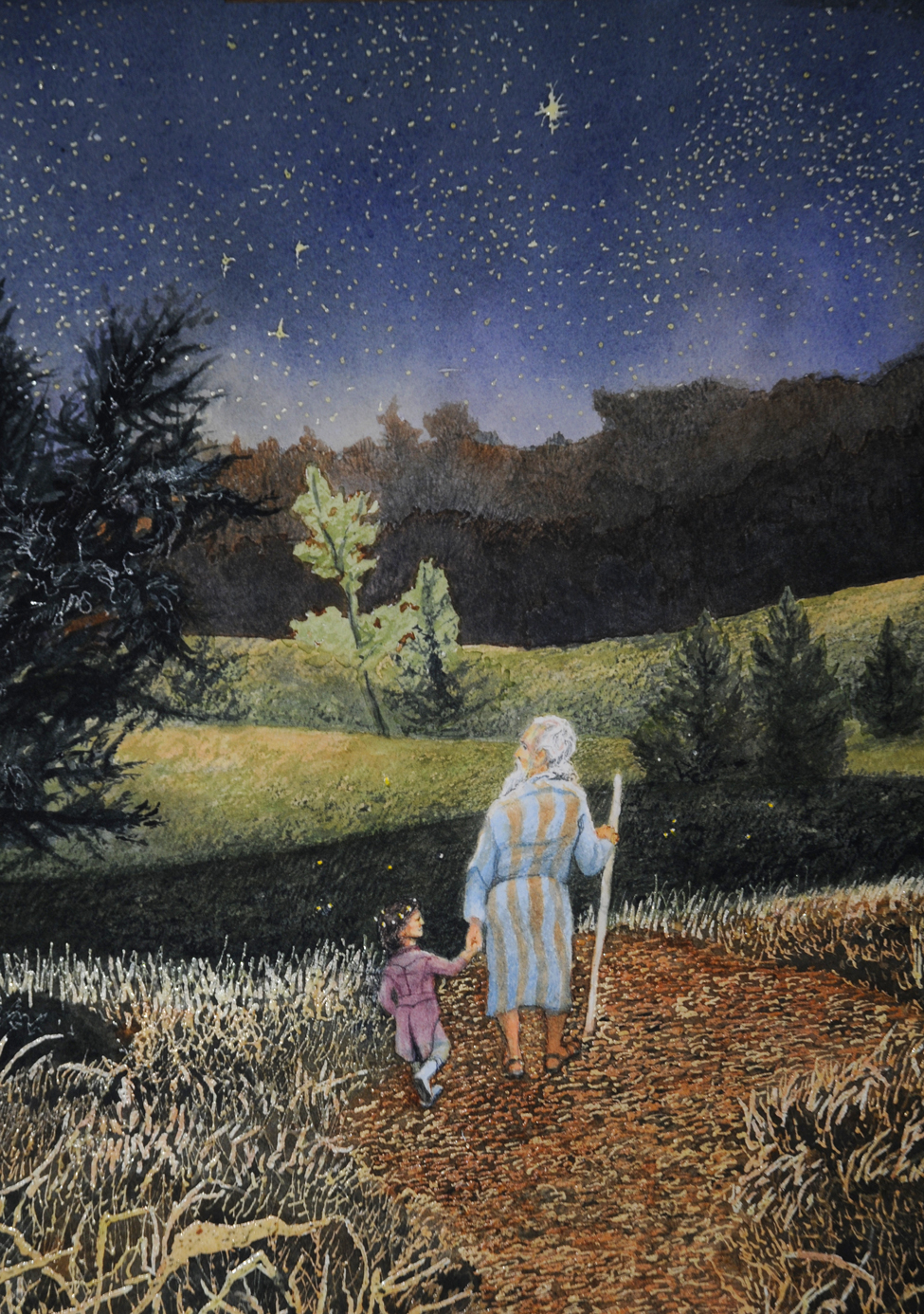
FATHER ABRAHAM, watercolor by Craig Gallaway (copyright 2018). After the fall of Adam and Eve with its many branching consequences (Genesis 3-11), God came to the old man Abraham and his wife Sarah (Genesis 12) promising to use their descendants (as yet unbegotten and unborn!) to restore the broken, sinful, and divided world. 

Father Abraham, words and music by Craig Gallaway, arrangement for cello and guitar by Craig and Deborah Gallaway, copyright 2020. Based on a traditional 17th century Swedish folk melody, Hoken.

Saint Athanasius in the 4th century asked a very important question: “Why the incarnation?” Why did the Son of God, the Word of God, become a human being? Why did he become a man living among us, suffering, dying, and rising again to new life? And Athanasius’s answer was the full and salutary biblical answer (John 1:1-12): He did this in order to restore the fallen world, to bring about the New Creation, as his Father had promised Abraham He would do. This, according to the Apostle Paul, is what has happened (with results that continue to unfold today) in Jesus’s victorious death, resurrection, ascension, reign, and the sending of his Spirit into the world. Thus, when we celebrate Christmas, the birth of Jesus, the incarnation of the Son of God, we celebrate this whole grand sweeping story of the renewal of the world in which we are still living and making our journey with him toward the final fulfillment. The whole creation waits eagerly for that day (Romans 8:19).

FATHER ABRAHAM (detail), watercolor by Craig Gallaway, copyright 2018.

This is why Deb and I begin our Advent preparation this week with a song about the promise God made to Abraham (Genesis 12:1-3). And it is why each verse of “Father Abraham” anticipates the other themes and songs that we will share with you in the weeks ahead, all of them proclaiming the ongoing New Creation work of the risen and exalted Christ. For our Lord is even now putting all sorts of things back into their proper creation order (1 Corinthians 15:20-28). For example, the third verse of “Father Abraham” speaks of how we lean into his kingdom work as he builds within us the virtues of justice, beauty, and love. And we will sing again about each of those virtues in the weeks ahead as we celebrate our Lord’s special reordering through his Spirit of how we see the value of our own work, and how we approach the problem of racism, and how we recover a life of holiness in marriage. All, as a result of the incarnation. All, as a consequence of Christmas. All, a matter of his new creation purpose.

So, Yes! Christmas is about all of these things because it is about the birth of the baby Jesus who took our nature upon himself in order to restore it. And it is about his faithful life and death, because that was the initial battleground upon which he achieved the restoration by defeating sin, death, and the devil in his own body, irrevocably, at the cross. And it is about his resurrection and ascension and the sending of his Spirit, because that is how he makes the power and glory of his victory available to us even now as we make our journey with him toward the ultimate fulfillment of his plan and purpose. No wonder, then, that Charles Wesley’s famous hymn has remained so resonant among all who love and celebrate Christmas:

Come, thou long expected Jesus, born to set thy people free;

From our fears and sins release us, let us find our rest in Thee.

Israel’s strength and consolation, hope of all the earth thou art;

Dear desire of every nation, joy of every longing heart.

In the weeks of Advent just ahead, then, Deb and I will be sharing one song and at least one work of art each week that celebrate some of the different facets of this grand Christmas story. Here is a brief preview:

She Kept These Things and Pondered Them in Her Heart, Linoleum Block Print by Craig Gallaway, copyright 2000. After Antonello Da Messina, Virgin Annunciate, 1465.

Week 1, Nov.27The Angel Gabriel and the story of Mary’s obedience, “Be it unto me according to Thy will.” In a way, Mary did what Paul calls all Christians to do in Romans 12:1-2, “In view of God’s mercies, present your bodies as a living sacrifice . . . that you may prove the full extent of God’s holy purpose.”

Snow Dance, watercolor by Craig Gallaway, copyright 2010. Based on C. S. Lewis’s Narnia Tales.

Week 2, Dec. 4In the Bleak Midwinter and the call to lay our talents, our gifts, and our work at our Lord’s feet in service to others (Romans 12:3-16). This might seem simple enough at a glance; but it is actually very difficult in a world that trains us constantly to be concerned about our own status in comparison to others, especially in our areas of work and professional life. This song quietly reminds us to give our hearts to the Master, who took a towel and a bowl of water . . .

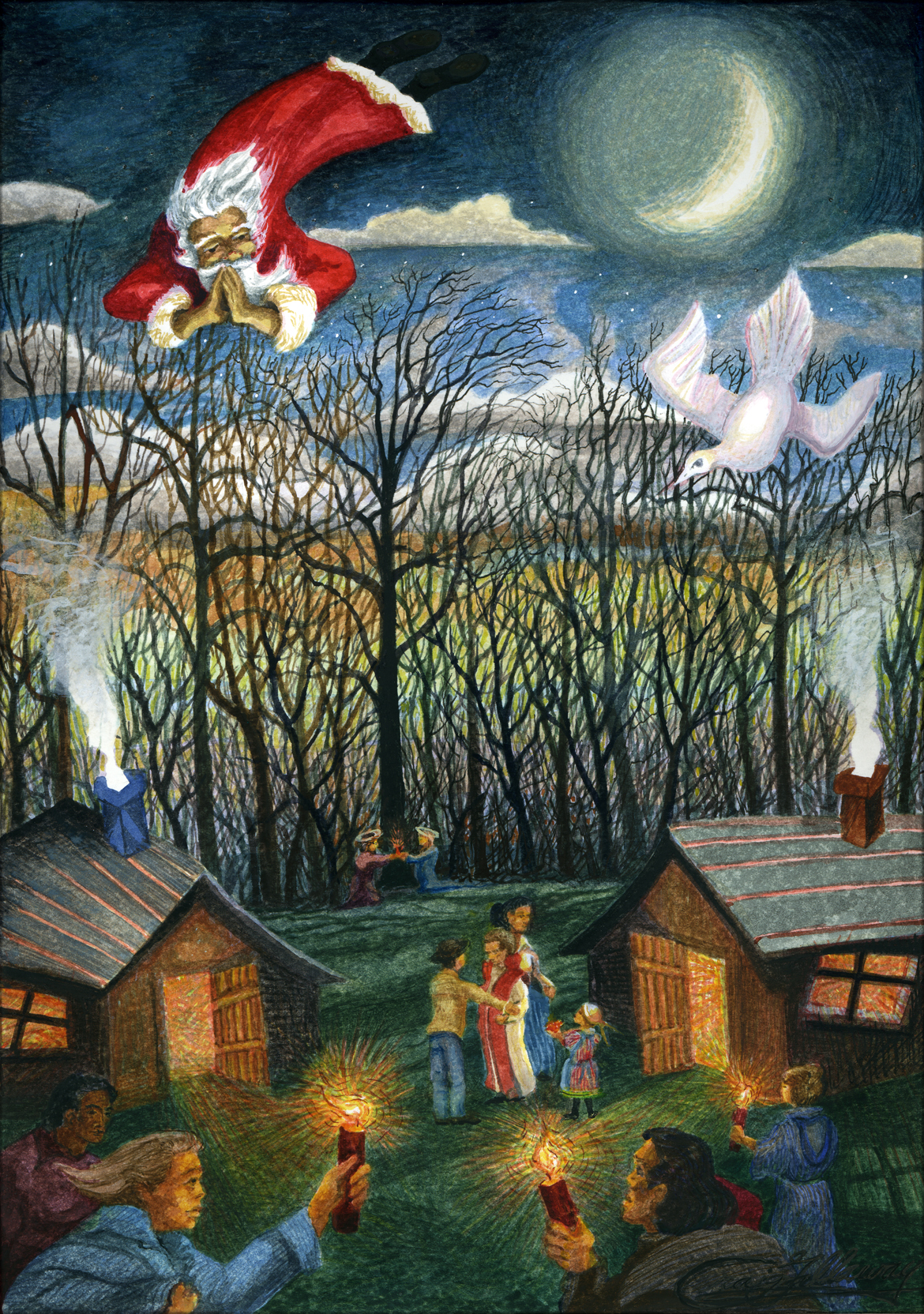
Saint Nicholas Praying for the Recovery of His Tradition, watercolor by Craig Gallaway, copyright 2005.

Week 3, Dec. 11Some Children See Him and the celebration of our common humanity in Christ (Galatians 3:28). In a world where the charge of racism is abused by neo-Marxist critical theory to stir up envy and to divide, the Lord’s call to unity and to the simple affirmation of cultural differences is a healing balm indeed. “So, lay aside each earthly thing; and with your heart as offering . . .”

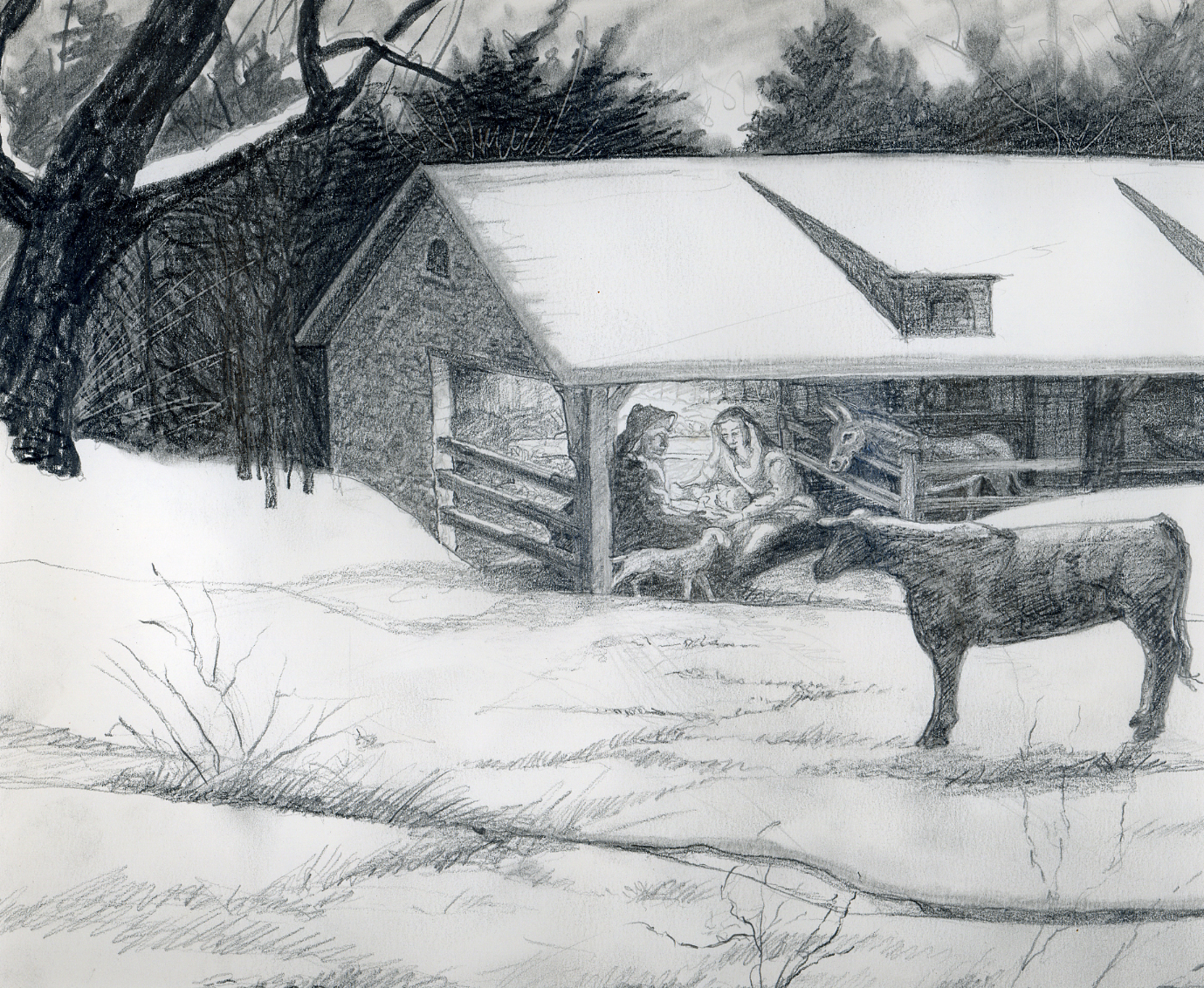
Saint Nicholas of the Dowry, graphite drawing by Craig Gallaway, copyright 2012. Based on the stories of Nicholas’s provision of dowry resources for daughters of the poor.

Week 4, Dec. 18You Ain’t Goin’ Nowhere and the joyful recovery of marriage following the bridegroom’s example (Ephesians 5:21-33). Again, in a world riddled with sexual decadence, pornography, and licentiousness, the Lord’s example of a life of caring, faithful, self-disciplined stewardship on behalf of one’s spouse is like a harbor for the soul and for society as well. “Ooh wee, ride me high, tomorrow’s the day my bride will arrive . . .”

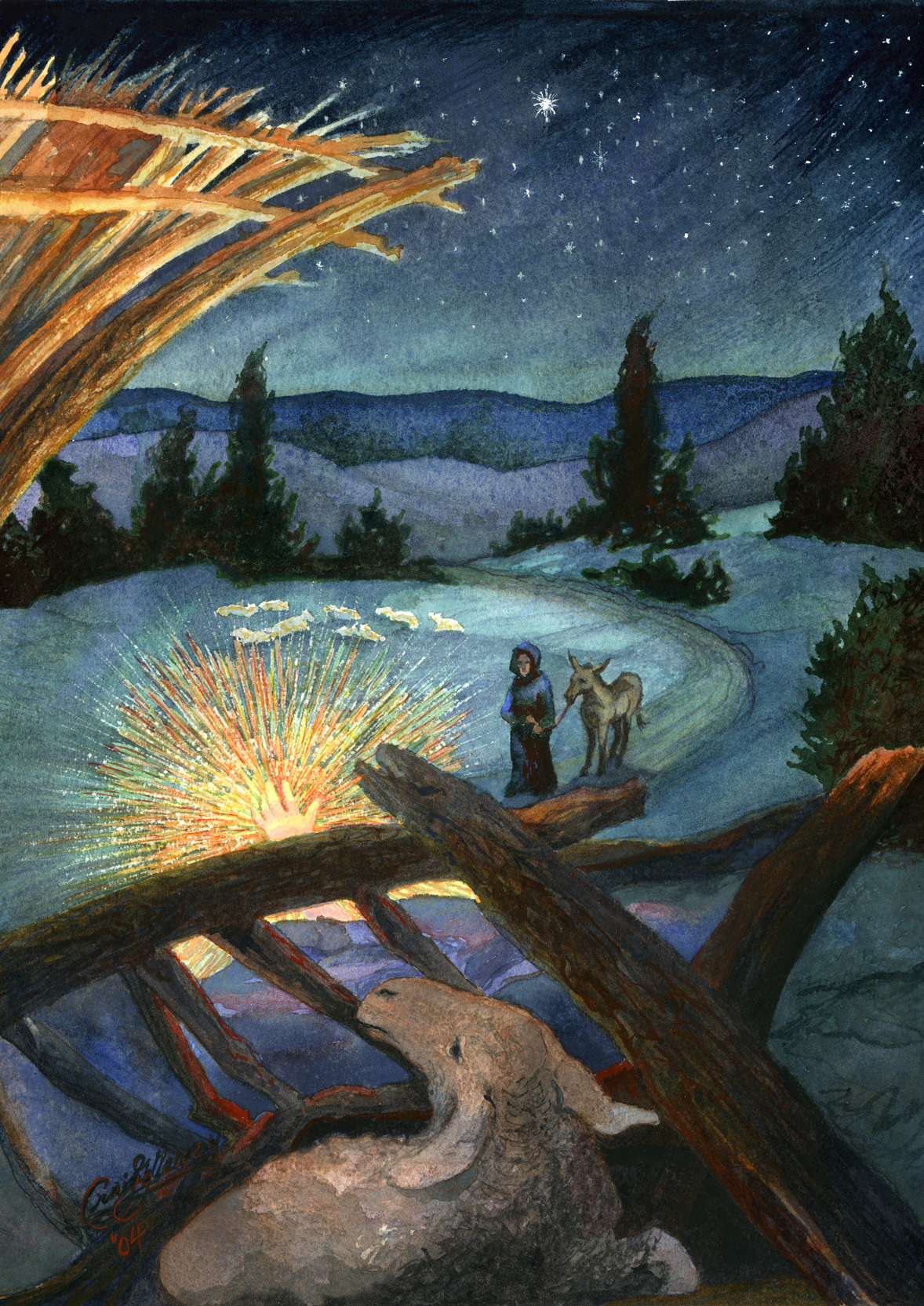
All Creation Waits in Eager Expectation, watercolor by Craig Gallaway, copyright 2004.

Dec. 25 – On Christmas day, then, we’ll share Charles Wesley’s great hymn of invocation, personally welcoming and inviting our Lord’s ongoing work in our lives both at Christmas and in the year ahead.

If you choose to make use of these Advent offerings from our house to yours in the weeks ahead, we hope they will bring an added element of worship, praise, thanksgiving, and hope to you and your house.

THAT HIDEOUS STRENGTH: Chapter 13

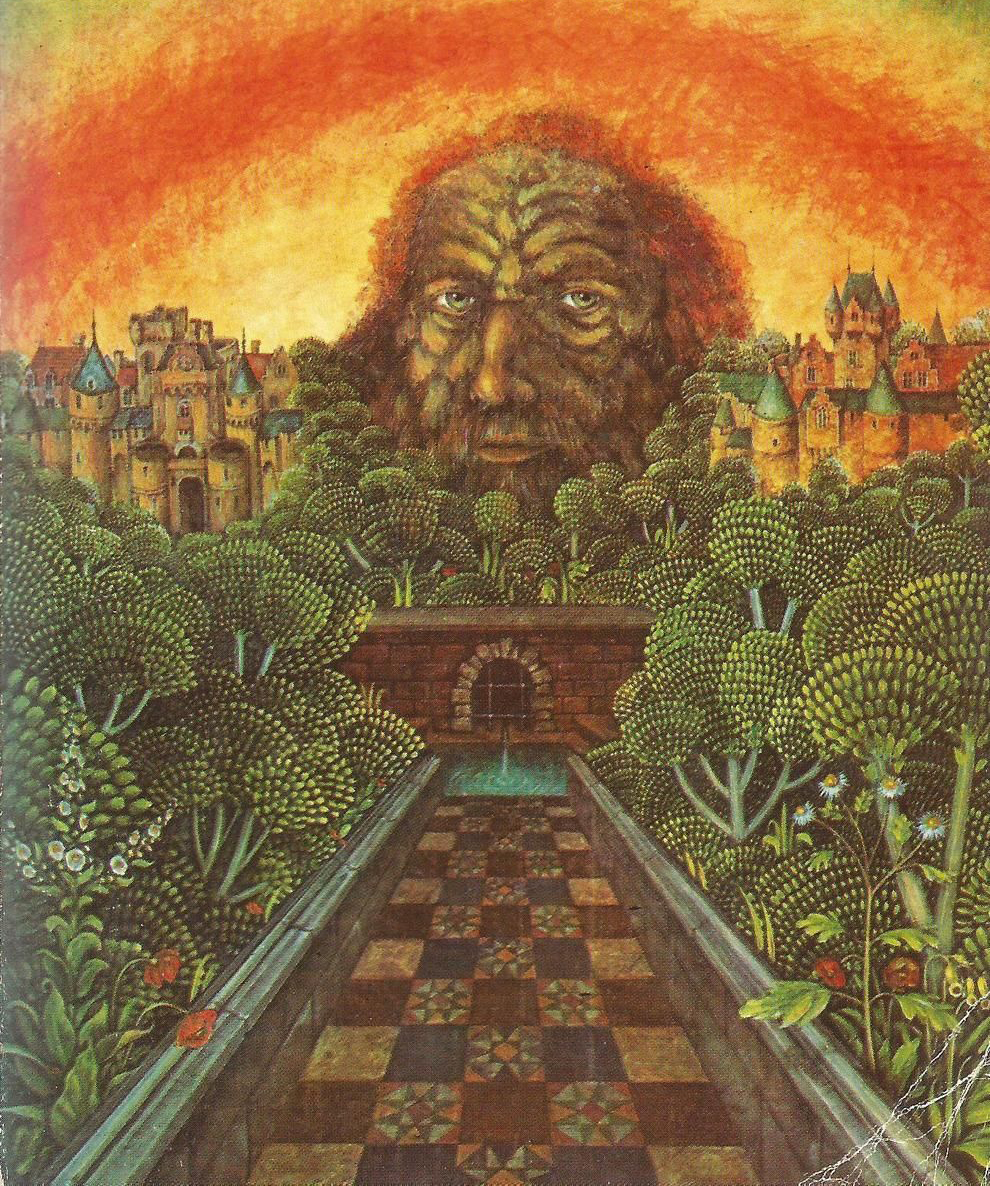
An image of Merlin’s countenance hovering above Merlin’s Well in Bragdon Wood evokes the cultural legacy of King Arthur and Logres for which Merlin himself stands. This image was the cover art for
the 1983 Pan Books edition of THS.

THEY HAVE PULLED DOWN DEEP HEAVEN ON THEIR HEADS 

Overview Question

This is the first of three chapters (along with Chapters 15 and 16) which clarify in one way or another who Merlin is, and what is his special role in the spiritual battle between St. Anne’s and Belbury. Chapter 15 will show how Merlin is equipped by the heavenly powers to undertake the battle. And Chapter 16 will show the destructive results for Belbury of Merlin’s engagement, like live video of an ongoing battle. In this chapter, however, we discover why God has chosen to use Merlin in the first place. Why doesn’t God just send down the heavenly powers themselves to destroy Belbury? Why wait for a man of ancient Logres and work through him?

This aspect of God’s strategy is announced most clearly in Part 5 of the chapter when Ransom explains to Merlin why God will not break the “Seventh Law” by allowing the planetary powers to work directly on the earth. As Ransom explains, “They will work only through man.” And then he goes on to explain why Merlin is precisely the sort of man that God needs for the job. One who is a Christian and committed to the ancient “natural” order of creation, yet also one who is a penitent and knows the ways of sinful man.

There is much in Ransom’s longer explanation that is simply part of Lewis’s fairytale (for example, his travels in space, and Merlin’s travel through time, as we saw in Chapter 9). These do not require a literal or concrete interpretation. But the principle of the Seventh Law, of God’s choosing to work only through a human agent, is another matter. Overview Question

Given what you have already learned about the traditional worldview and its understanding of human nature (for example in the portrayal of Mark’s struggle with his own vanity until he finally calls out to God for help) why would God refuse to produce a spiritual victory by divine fiat rather than requiring the obedient response and practiced discipline of faithful human beings who turn to him for help? Why won’t God break the Seventh Law?


An ancient ruin deep in an old forest evokes the fictional setting in THS of Merlin’s Well and Bragdon Wood. The real history of the ancient Celts and Druids is, however, consistent with the Christian and biblically grounded portrayal that Lewis provides of Merlin, Arthur, and Logres in the 5th and 6th centuries. (See, for example, Peter Berresford Ellis, The Druids.)

Deeper-Dive Questions

1. In Parts 1 and 3, Merlin and Ransom and the people of St. Anne’s must “vet” each other as to their respective bona fides—that is, they must test and prove to each other their allegiance to the right side. They do this by asking and answering questions that ferret out the principles upon which each of them takes their stand. In this way, Merlin discovers that Ransom is in fact the Pendragon, the heir of King Arthur and the realm of Logres; and Ransom discovers that Merlin is a Christian who affirms the gifts and disciplines of faithful marriage as well as the biblical tradition of God’s creation and providence. Similarly, the search party (upon their return and surprise at finding Ransom and Merlin together) are finally convinced of Merlin’s good faith when the Director vouches for his loyalty to the Christian essence of Logres (which Dr. Dimble had long wondered about and hoped for).

In this light, our own question about the bond between Merlin and St. Anne’s must be equally probing: To what group or tradition do these principles (King Arthur, Logres, the Bible, Christianity, faithful marriage, etc.) correspond in the cultural and spiritual battles that we face and fight today, and that Lewis faced and fought in post-war England? What is it that Merlin stands for (along with the people of St. Anne’s) in the battle against the dark spiritual forces of the NICE?

2. Part 2 of Chapter 13 gives us another peek into the troubled lifeworld of those at Belbury who hold the modern worldview. While discussing their strategy for working with the tramp (their false “Merlin”) Wither and Frost are drawn into a set of sniping and threatening remarks toward each other. What is it about the modern worldview (with its conception of the individual, the “freedom” of the individual, and “universal” reason) that seems to provide the perfect seedbed for this kind of combative and divisive social atmosphere?

3. In Part 4, Dr. and Mrs. Dimble discuss the effect of Merlin on the people at St. Anne’s and speculate about how Merlin’s influence will affect the whole course of their battle with the NICE. Dr. Dimble notes Merlin’s ancient and intimate connection with nature in contrast to the modern view of nature as a machine, and even more in antipathy toward Belbury’s desire to change, alter, and work against nature (the anti-nature posture that we have noted before). And then Dimble observes how everything in the cultural and political atmosphere seems to be polarizing, “coming to a point,” as he puts it: “Good is always getting better and bad is always getting worse.” Then Mrs. Dimble sees how this is like the biblical portrayal of judgement when the “wheat is separated from the chaff.” Where in the polarizing events of our own time do you see such a separation between good and evil taking place, and what other biblical grounds can you suggest for advocating this view of our own cultural, political, and spiritual battles, especially right now as the midterm elections pressure everyone to make the “terrible choice” (Mrs. Dimble’s reference to Browning).   

4. In Part 5, Ransom defines for Merlin what will be the necessary tools and methods by which the battle with the dark eldil can be won, but only if Merlin will submit to the part he has to play. At the same time, Ransom also clearly and forcefully rejects certain other tools and methods that Merlin finds more congenial to his tastes and confidence. Thus, Ransom rejects Merlin’s acquaintance with ancient natural magic and remedies because they are no longer “lawful,” and because they are merely earthly in scope. Something more powerful is needed. Also, Ransom rejects the resort to national, global, or ecclesial authorities because they are already tainted with the same evil infection and anyway, they also do not possess the necessary kind of power to defeat the dark powers.

Instead, according to Ransom, what is needed is a human being, a Christian and a penitent, who is willing to be invaded by the powers of heaven in order not only to withstand the evil influences of the dark eldil, but also to draw them out into the light where they will have to face the ultimate consequences of their own choices. What is needed is a person who is willing to have his own heart changed in this way so he can be used by heaven in the wider world to expose and defeat the dark powers, and to help establish under God’s rule the good community of the restored creation. How does this definition of Merlin’s role expand and fill in the principles we have already noted regarding the tradition of Arthur and Logres, the Bible and Christian marriage? Is there a political, spiritual, and cultural tradition in our own time (as well as in Lewis’s time) that embraces these same basic principles and commitments? If so, what is it? And what would it take to recover it today?

THAT HIDEOUS STRENGTH: Chapter 7

If Chapter 6, Fog, focused at length on Mark’s miserable struggle to establish himself at Belbury; Chapter 7, The Pendragon, shifts the focus to Jane and how her self-understanding is challenged and begins to unfold in a wild roller coaster ride of new discoveries about herself and her potential as a human being in a very different kind of community at St. Anne’s.

THE PENDRAGON

Overview Question

From the opening sentence of THS, and scattered throughout the chapters, we encounter various clues concerning Jane’s ideas about marriage and sexuality, and these are always unresolved ideas. In the opening paragraphs of the story, for example, we find Jane struggling with her ideas about romantic love and with the reality of her marriage to Mark in comparison to the high ideals of the marriage rite in the Church of England. Then, when Jane first goes to St. Anne’s, she is caught up in a train of thought about sex and gardens, Freud and female beauty that leaves her rattled and ill-at-ease until, embarrassed and trying to compose herself, she pulls herself together to meet the people she has come to see. And then, clearly, when she finally meets Ransom, the Director of St. Anne’s (aka the Pendragon) she goes into a bewildering spate of emotional reactions that includes overpowering attraction to him as an almost mythical figure of masculinity and, at the same time, a strange disloyalty and indifference to her own husband, Mark. And all of this happens to Jane, of all people–a woman who wants, above all, to be (or at least to appear to be) in full rational control of her own thoughts and passions, and to write a cutting-edge dissertation on John Donne’s “triumphant vindication of the body.”  Overview Question:

Given what you know already about Jane’s worldview and her personal self-image as an independent, rational, egalitarian woman, how would you explain this meltdown in her composure and self-control when she first meets the Pendragon?

Of course, the wild career of Jane’s story in this chapter doesn’t end with her interview. Ransom tries to help her by introducing her to the role of faith, faithfulness, obedience, and submission in religion and in marriage. And when she leaves, she finds that she is indeed beginning to see her own beauty in a very new, though still confused and conflicted, light. And then she is subjected to physical and sexual abuse by Fairy Hardcastle upon her return to Edgestow, before deciding to go straight back to St. Anne’s to seek recovery.  The whole chapter, then, pulls back the curtain on the deep conflict in Jane between her preferred outward self-image, on the one hand, and the inward terrain of a still very disordered and confused though seeking self, on the other. And so, again, how would you explain this? Keep in mind the two worldviews (modern and traditional) and the two lifeworlds, including both the principles and the practices of each, that either prepare the soul or leave it unprepared for various kinds of challenges.


An English manor house that may, in some ways, suggest the kind of place where Jane went to seek help with her troubling dreams. And she found help that both challenged her self-understanding and welcomed her into a new sense of human calling and purpose.

DEEPER-DIVE QUESTIONS

1. “Pendragon” is, of course, the traditional name in the Arthurian legend for the line of kings that descend from King Arthur himself. Jane has not really wanted to meet with this man, this “Director,” also called Ransom and the “Fisher-King.” But her encounter with Prof. Frost in Edgestow, after having seen him first in a troubled dream, has jolted awake her sense of danger. Then, when she does meet with Ransom, she is “undone,” as the narrator tells us in Part 1; and she becomes distracted, giddy, “all power of resistance . . . drained away.” Given what you know about Jane so far (her feminism, her desire for rational control, her distaste for vulnerability, her modern worldview) what do you think could explain this sudden meltdown?

2. In a way, Jane’s conversation with the Director goes from bad to worse. She finds herself attracted to him. She argues with him about the nature of her marriage to Mark and the role of equality in marriage. And then when he tries to explain to her the connection between obedience to God and love for one’s spouse in marriage, she seems to lose herself in a kind of seductive fantasy about Ransom himself, until Ransom tells her to “Stop it.” He then goes on to try to help her understand the role of “obedience” (humility, faithfulness, submission) in romantic or erotic love (Part 2). What does this conversation suggest about the relevance and value of Ransom’s traditional worldview for Jane?

3. When Jane leaves the Director in Part 3, the narrator tells us that she is divided within her own mind and emotions between four different “Janes.” Identify these, and try to explain what each one means in terms of the spiritual journey that Jane now finds herself embarked upon.

4. When she arrives back in Edgestow, Jane is caught up in a riot that has been ginned up by the activists from Belbury. Jane is then taken prisoner for interrogation by Fairy Hardcastle, and subjected to painful physical and sexual abuse. In the turmoil of the riot, Jane manages to escape and to ask some strangers to take her “home” to St, Anne’s.  After this day of wild extremes and emotions—both of deeper good and of really horrible evil—how would you assess Jane’s decision to regard St. Anne’s as her home, rather than her own flat in Edgestow?

THAT HIDEOUS STRENGTH: Chapter 6

Within the space of two chapters (5 and 6) Mark Studdock goes through in microcosm and as an individual all four stages of the neo-Marxist “cultural revolution” described by Yuri Bezmenov. When this occurs at the societal and collective level it may also exhibit the characteristics of “mass formation” described by Matthias Desmet (see Introduction).

FOG

Overview Question

Another way to analyze the content of Chapters 5 and 6 is to evaluate what is happening to Mark as an individual within the framework of Yuri Bezmenov’s “Four Stages of Cultural Revolution” (as described in the Introduction). Given the four stages–1. Demoralization, 2. Destabilization, 3. Crisis, and 4. New Normal–how would you track Mark’s progress through these stages from his first interviews with Wither and Miss Hardcastle, to the job-insecurity that arises from Feverstone, to his frantic effort to regain solid footing with Curry, and finally to his capitulation to what he knows to be the nefarious yet required role of churning out propaganda for the NICE. This will reveal how the stages of Bezmenov’s model appear in the life of one individual; but the wider collective phenomenon will also appear in future parts of Lewis’s story. Overview Question:  

Given the four stages of Bezmenov’s model, try to locate Mark’s “progress” as he makes his way through the difficulties that he faces in Chapters 5 and 6. For example, at what point does he become demoralized, and when does this shift to the more serious stage of being destabilized? At what point does Mark enter a condition of crisis? And when does he finally cave into what is, at least for a period of time, his new normal?  

DEEPER-DIVE QUESTIONS

1.In Part 1, Wither continues to work on Mark with a style of communication that leaves Mark at sea about whether he has a job, or not. At the same time, Mark’s own self-absorbed motives, especially his ambition to be part of the inner circle, make him very vulnerable to this kind of manipulation. Describe the “fit” between Wither’s leadership style and Mark’s personality. What different character traits or virtues might have provided Mark with a means of resistance to Wither’s mechanizations?

2.  Absent the needed character traits to resist, Mark finally caves in and begins to do the bidding of the NICE. He begins to work as a fake news “journalist,” providing the kind of cover, spin, and suppression that are needed to keep the NICE from taking responsibility for their own destructive actions. What parallels can you see between the kinds of problems that the NICE causes, the kinds of articles that Mark writes to cover them, and the events and media coverage that have shaped public opinion in America over the last 5 or 6 years? Try to be specific and think of at least three examples.

3.  In Part 3 of Chapter 6, we meet again the Rev. Straik whose reflections on Jesus and the resurrection typify the role of religion in the modern worldview. What is that role, according to Straik, and where do you see a similar use of religion at work in the political and cultural battles of our time?

4. In part 5, Jane goes into Edgestow and runs into Professor Frost of Belbury, whom she has seen previously only in her dreams (see part 2). The nature of this man’s actions in her dreams, and the atmosphere of his person when she nearly touches him on the street, send a shock of repulsion through her. She hadn’t really wanted to go to St. Anne’s to see the Director, but now her desire to go is urgent. What do these hints suggest about what is happening in Jane’s inner life, quite apart from her initial or deliberative plans?   

THAT HIDEOUS STRENGTH: Chapter 5

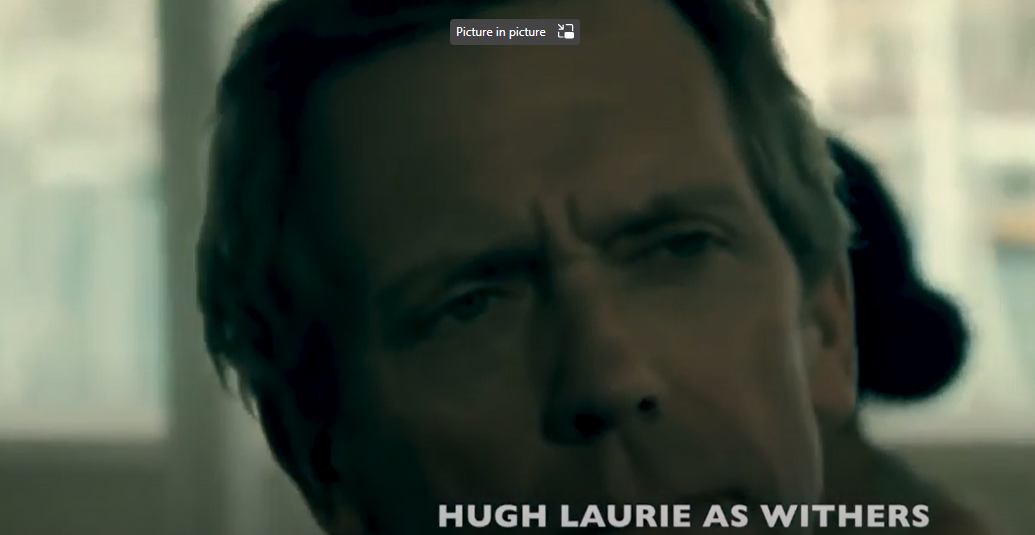
Once again, the pre-covid cast for the THS movie directed by Antione Fuqua included a promising actor, this time for the role of John Wither, that creepy embodiment of prevaricating obfuscation and manipulating control.

ELASTICITY

Overview Question

In Parts 1 and 2 of Chapter 5, Mark is drawn yet further into the manipulations of the lifeworld of Belbury. Deputy Director Wither continues to flatter Mark’s vanity while refusing to give him a clear job description or to make a solid job offer. Fairy Hardcastle warns Mark not to expect a clear job description from Wither; and then explains how, if only Mark will do as he is told, he can begin to rise as a kind of activist journalist swaying public opinion for the NICE. And then Mark learns that his position at Bracton College is in jeopardy because Lord Feverstone has informed them that Mark is joining the NICE. When confronted, Feverstone simply shrugs Mark off with a dismissive comment. All of these passages portray in some detail how the modern worldview operates at the level of personal and interpersonal relationships. And this leads to our Overview Question for the week:

How do the different actions of Wither, Fairy Hardcastle, and Lord Feverstone in relation to Mark’s own servile mentality illustrate the basic principles and practices of the modern worldview and lifeworld at Belbury?

For additional help in answering this question, remember the brief outline that I provided with the Chapter 3 Overview Question: Yoram Hazony’s analysis of the “practices” that characterize both the modern and the traditional worldviews. In particular, keep in mind how the modern worldview valorizes above all individual freedom and reason, and rejects the need for religious, moral, or even familial traditions of loyalty, honor, and acknowledged hierarchy to guide and shape the freedom or the reason of the individual.    

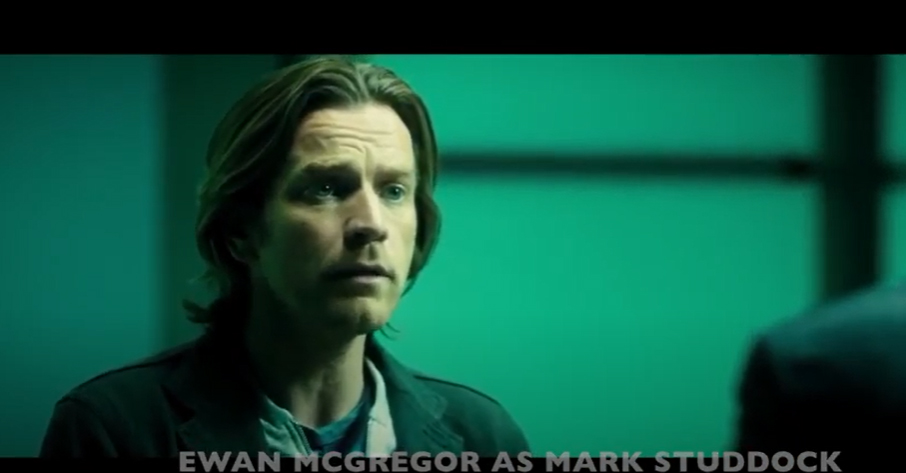
As artfully evoked in the expression of actor Ewan McGregor, Mark’s lack of a transcendent religious and moral point of reference, and his desire above all to be counted among the elite, leaves him imminently vulnerable to the manipulations of nearly everyone at Belbury.

DEEPER-DIVE QUESTIONS

1. In Part 3 of Chapter 5, Arthur and Camilla Denniston take Jane on a picnic, and treat her in a manner that is quite opposite of how Mark is treated at Belbury. They propose a specific role for Jane: namely, to consider her dreams as a special gift that can be of great help to the community at St. Anne’s. When Camilla begins to put pressure on Jane to decide right away, however, Arthur reminds her that the Director of their community would not want Jane to join them under that kind of pressure or coercion. In contrast to Mark’s interview, what interpersonal conditions are given priority in Jane’s interview, and how do these reflect the principles and practices of the traditional worldview? (see again Yoram Hazony)   

2. How do the conditions of the two interviews reflect the customs and values of the two groups of people and the two worldviews that inform Lewis’s story, the modern worldview and the traditional worldview? In particular, what role do the values related to the family and religion at St. Anne’s play, in contrast to the emphasis at Belbury on the individual and his or her “freedom.”

3. Where, in our current cultural and political turmoil in 2022, do you see signs of the kind of individualism, disunity, coercion, cancellation, and manipulation of power that characterize Mark’s job interview at Belbury? Where are there signs of the open discussion, debate, transparency, and the freedom to deliberate and practice informed consent that are given to Jane?

THAT HIDEOUS STRENGTH: Chapter 3

Ewan McGregor was well chosen, in my opinion, as Mark Studdock in the pre-covid 19 cast for the THS film directed by Antoine Fuqua. MacGregor would have helped us see, I can well imagine, how the manipulative and unaccountable atmosphere of alleged “equality” at Belbury was perfectly suited to exploit Mark’s obsequious desire to please those in power.

BELBURY AND ST. ANNE’S ON THE HILL

Overview Question

In this chapter we encounter the very different social and interpersonal dynamics that characterize Belbury and St. Anne’s on the Hill. What is most striking is how nearly opposite these two groups of people are in terms of how they treat Mark and Jane. Indeed, the contrast is so sharp that it begs for some kind of explanation. And this provides the focus for our overview question this week:       

Why do the people at Belbury (who hold the modern worldview, as we have seen) confound and manipulate Mark the way they do; while the people at St. Anne’s (who hold the traditional worldview) make every effort to behave with candor, transparency, and informed consent toward Jane? 


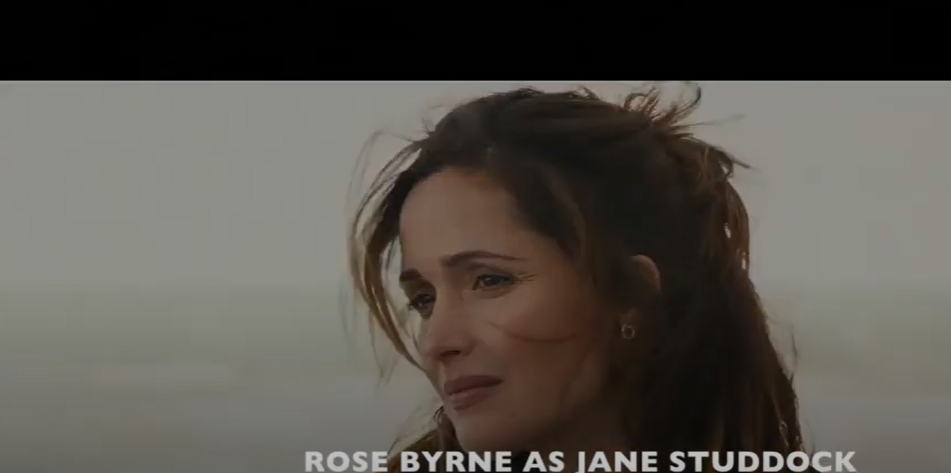
Rose Byrne, as Jane Studdock, has also been replaced in the post covid 19 cast for the new THS film. But these screen shots give us an opportunity to reflect on these characters, Mark and Jane, and how different they are from each other though both begin as holders of the modern worldview. And then how differently Jane is treated by Grace Ironwood and others at St. Anne’s in comparison to Mark’s entry into an arena where “every man for himself” is the unspoken rule.

Note well, I am asking you (with the overview question, above) to think about why each worldview–lifeworld seems to produce such starkly opposite results at the level of personal and interpersonal relationships. Of course, Lewis doesn’t do this analysis directly in the story itself; but his very consistent portrayal of both groups, which only gets sharper and clearer as the story proceeds, suggests a definite set of observations on his part. In order to clarify this contrast, let me recommend another interpretive tool that you may at your choosing find helpful: A brief sketch of Yoram Hazony’s analysis of worldview practices from Conservatism: A Rediscovery.

Hazony gives a remarkable history of what he calls the Anglo-American Conservative paradigm with its traditional worldview, on the one hand, and the Liberal Enlightenment paradigm with its modern worldview, on the other. Of particular interest in this regard are Hazony’s observations that the traditional worldview valorizes specific principles and practices such as loyalty, honor, family, hierarchy, religion, and empirical knowledge (based on evidence); while the modern Enlightenment worldview valorizes the opposite: freedom and independence of the individual, the alleged “self-evident” truths of reason and nature, and the rationalistic approach to knowledge (based on a priori first principles rather than evidence). As such, the modern individualistic worldview rejects the need for religious or moral traditions and practices to guide or inform its use of reason; while this is precisely what the traditional or conservative point of view calls for. Are there clues here about the two opposing “styles” of Lewis’s two groups?

I think Hazony’s observations are in close alignment in many ways with what Lewis is trying to show us in his fictional portrayals of the very different worlds of Belbury and St. Anne’s on the Hill.

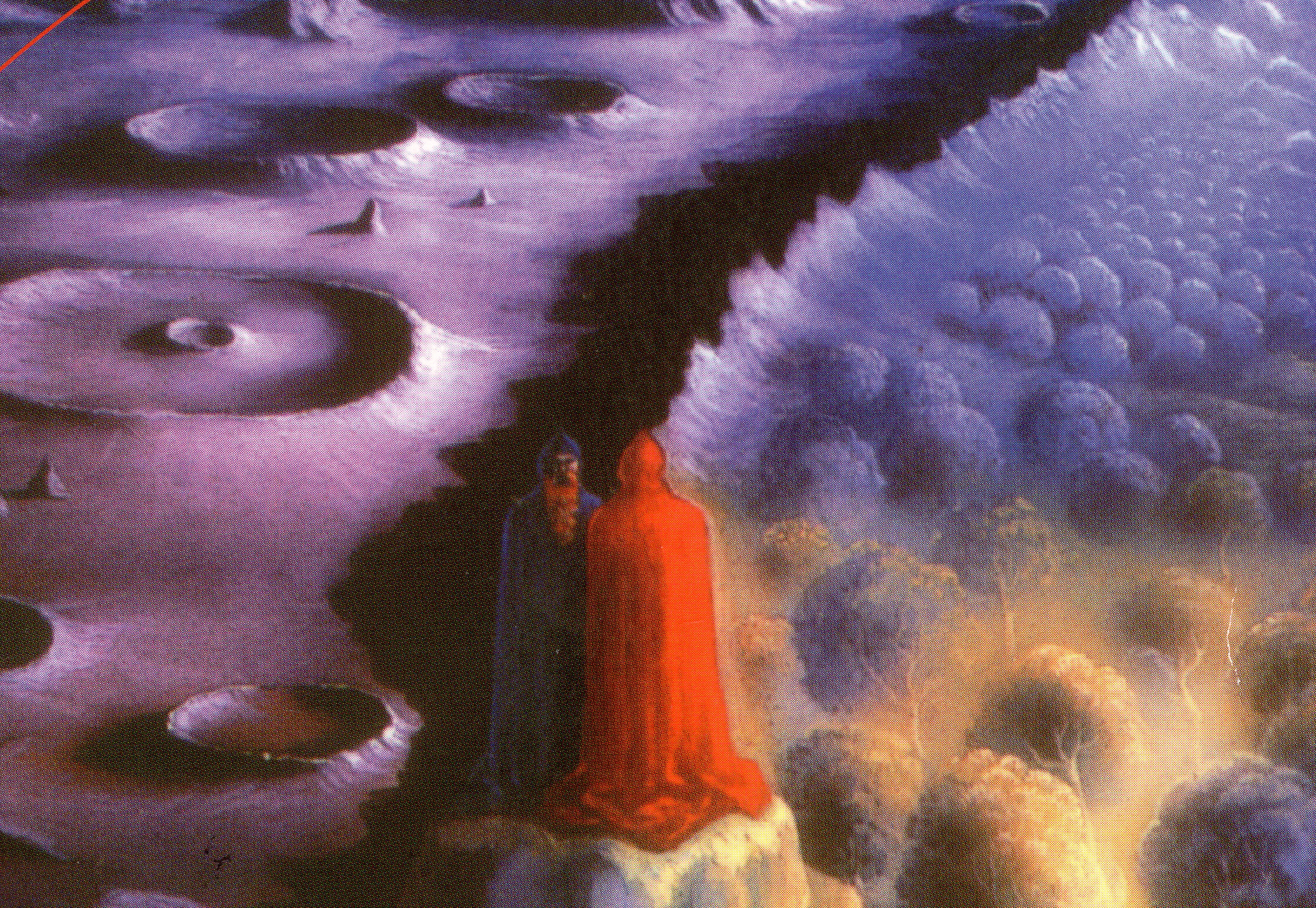
The cover illustration of Scribner’s 2003 edition of THS portrays the landscape of the moon with its dark cold side (pointing toward earth where the marriages are “barren and cold”) and its bright living side (pointing toward the joys and creativity of deep heaven) as Ransom describes this to Merlin later in the story. Are there hints here of the two very opposite ways of living–specifically in this case related to marriage and sexuality–that are reflected at Belbury and at St. Anne’s on the Hill?


DEEPER-DIVE QUESTIONS

1. In Part 1 of Chapter 3, Mark has a long conversation with John Wither about the possibility of taking a new job with NICE. How would you describe the “style of communication” that Wither uses with Mark? What seems to be Wither’s purpose for using this style? How does this style tie in with what you already know about the larger social vision, lifeworld and worldview at Belbury?    

2. In Part 3 of Chapter 3, Jane tells Miss Ironwood about the strange dreams that she has been having. How would you describe Miss Ironwood’s style of communication with Jane? How does Miss Ironwood’s style and manner differ from that of Wither? What does Miss Ironwood’s different communication style suggest about the different values of the worldview embraced at St. Anne’s?

3. In Parts 2 and 4 of Chapter 3, we are introduced more fully to Professor Hingest (chemist at Bracton) and Fairy Hardcastle, head of the NICE institutional police. We learn that Hingest and the NICE hold nearly opposite views of what science is really all about. Why do the NICE regard Hingest as “the wrong sort of scientist” while he regards their work, including Mark’s sociology, as not really science at all? How are the two worldviews reflected in these different approaches to “science,” and how are the differences also reflected in the politicization of science in America today?

4. In Parts 3 and 5 of Chapter 3, Jane struggles through her interview with Miss Ironwood. Everything that happens–Jane’s wandering thoughts about Camilla’s beauty, her premonition of a passage on sex and sexual attraction in a book she picks up while waiting to see the Director, and Miss Ironwood’s unwelcome advice about her dreams—seems to go against how Jane wants to see herself. What pattern, if any, can you detect in what Jane wants for her own self-image, and what keeps happening to her to interfere with this?