
For several years Deb and I have been learning to celebrate Halloween in a specifically biblical and Christian way, and to help our grandchildren, Colin and Rose, do the same. We haven’t wanted to cast a sour note over all the outdoor fun of dressing up in costumes and going trick-or-treating. But neither have we wanted to let the great church tradition of All Hallows Eve get lost among the loose collection of ideas (both ancient and modern) that haunt every advertisement on TV with ghouls, ghosts and spooks, and that sometimes get mixed up in a more serious way with notions of witchcraft, sorcery, and even fascination with the dead (necromancy). All of the latter really belongs to a different, non-biblical worldview.
So, without writing a doctoral thesis, how can one go about this task? How about starting with the word “Halloween” itself? This word, as anyone can find with a little online research, is a shortening (circa 16th century) of the Old English and Scottish dialect for the phrase “All Hallows Evening.” That is, the evening of October 31 prior to the day on November 1 when the church celebrates all of the “Hallows.” And what then or who are the “hallows”? They are the “holy ones,” that is, all of the saints, both living and dead. They are not holy in the sense of being perfect people, as though they have “already arrived” (Philippians 3:12-14). Rather, they are being made holy (hallowed) because they have put their faith in Christ and given their lives into his guidance and care. But why then should we celebrate all of these living and dead saints together? No better answer can perhaps be given than that provided by the verses of the great 19th century hymn, “For All the Saints.”
- For all the saints, who from their labors rest, who thee by faith before the world confessed, thy name, O Jesus, be forever blest. Alleluia.
- Thou wast their rock, their fortress, and their might; thou, Lord, their captain in the well-fought fight; thou, in the darkness drear, their one true light. Alleluia.
- O may thy soldiers, faithful, true, and bold, fight as the saints who nobly fought of old, and win with them the victor’s crown of gold. Alleluia.
- O blest communion, fellowship divine! We feebly struggle, they in glory shine; yet all are one in thee, for all are thine. Alleuia.
- And when the strife is fierce, the warfare long, steals on the ear the distant triumph song, and hearts are brave again, and arms are strong. Alleluia.
- From earth’s wide bounds, from ocean’s farthest coast, through gates of pearl streams in the countless host, singing to Father, Son, and Holy Ghost: Alleluia.
All Hallows Eve, then, is about the communion of the saints above with the saints below. Or, to put it another way, it is about the fellowship of the church triumphant (already at rest and waiting for the great day of the Lord, the day of resurrection and judgement, Rev. 6:9-11) and the church militant (still engaged in spiritual warfare on the earth until the Lord has put all of the rebellious forces and powers back in order under his authority, 1 Cor. 15:20-28). As in the Epistle to the Hebrews (chapter 11), we who are still alive take courage and example from those who have gone before and who show us how to be faithful. And in contrast to the ancient (and some modern) pagan festivals, such as Samhain, this is not a matter of trying to interact with the dead, or to call them up so that we might communicate with them or make use of them in some way. Rather, it is a celebration of the great purpose of our Creator to which we, like they, have been called to participate: the restoration of the world and of our own lives as subjects, stewards, worshippers, and partners with and under God.1
With this biblical worldview as our framework, then, Deb and I have created over the last few years an album of photos and stories for our grandchildren, an album for All Hallows Eve that informs the children about their own immediate ancestors who have gone before them, and upon whose shoulders they stand as they also take up the calling to join the spiritual battle, and to become whole and fully human beings in the care and under the power and guidance of the risen Lord. This effort seems all the more important when set against the recent attacks of “woke” activists, where the religious and moral traditions of our ancestors have been ridiculed and defiled without serious understanding, honor, loyalty, or respect.
What follows below, then, are the simple stories and pictures of some of our Gallaway “hallows” that we have added to the album for this year, 2023. We hope you will enjoy our stories; but also, we encourage you to recall similar stories of faith from among your own ancestors and forebears, and to remember them together for the benefit of your family and others.
___________________________________________________________
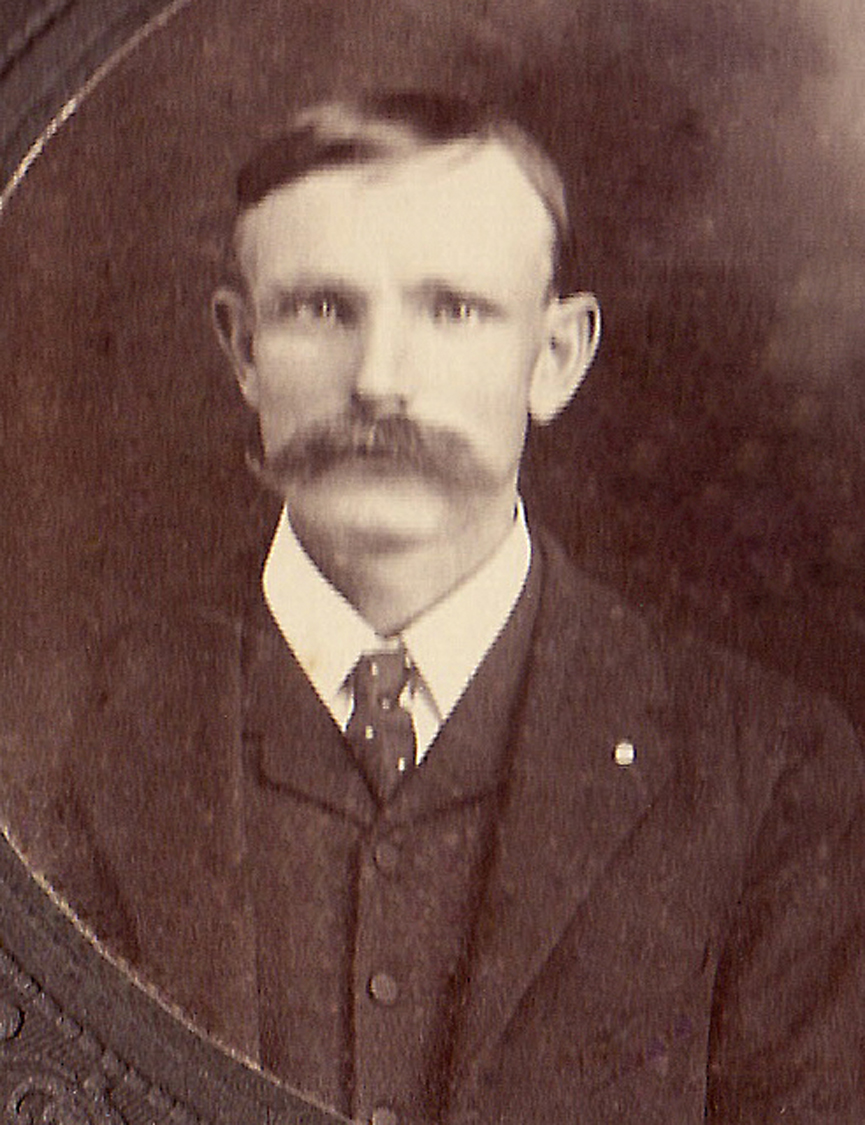
Uncle Ben Galloway, 1878 – 1953
“The prayer of a righteous man accomplishes much.” (James 5:16)

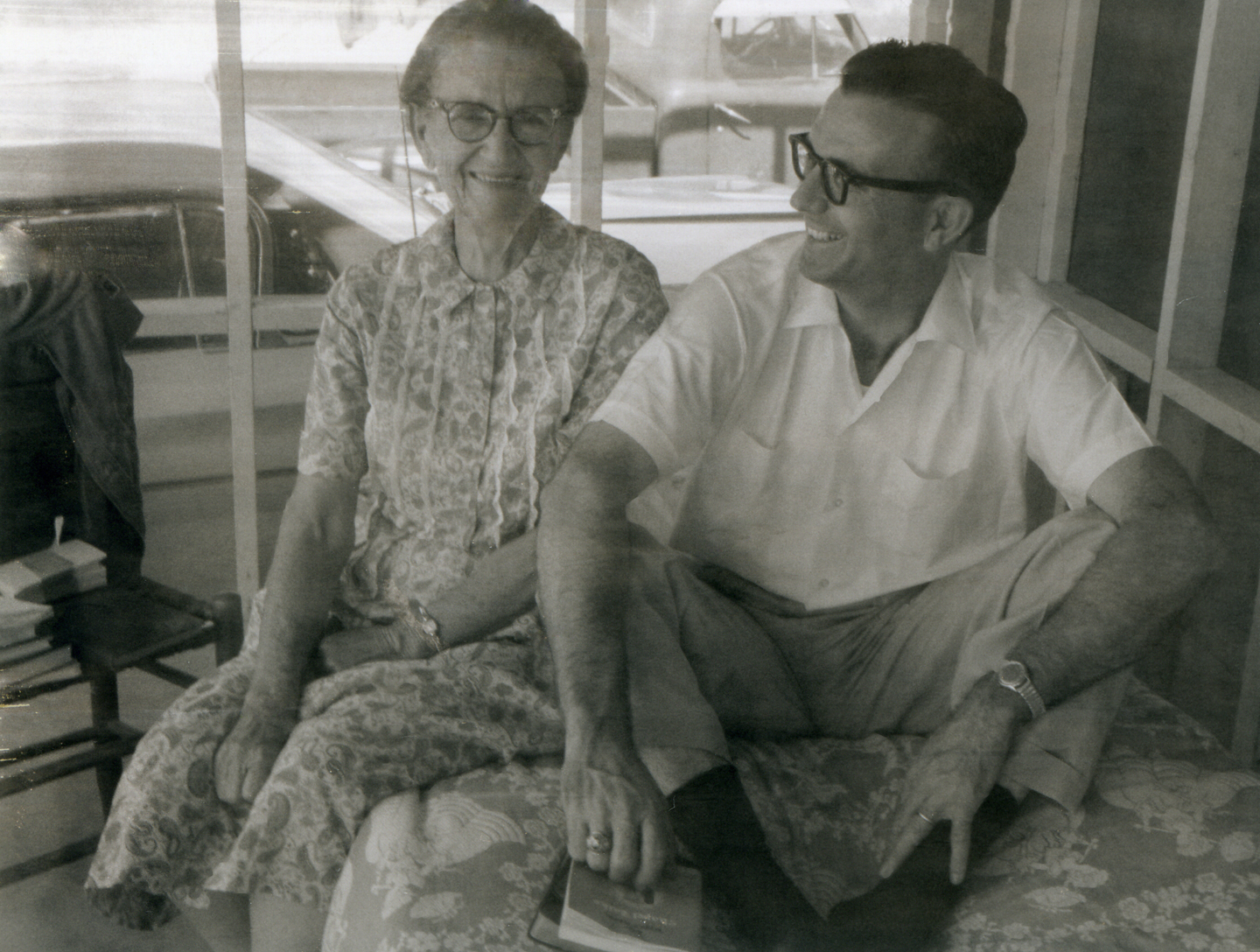
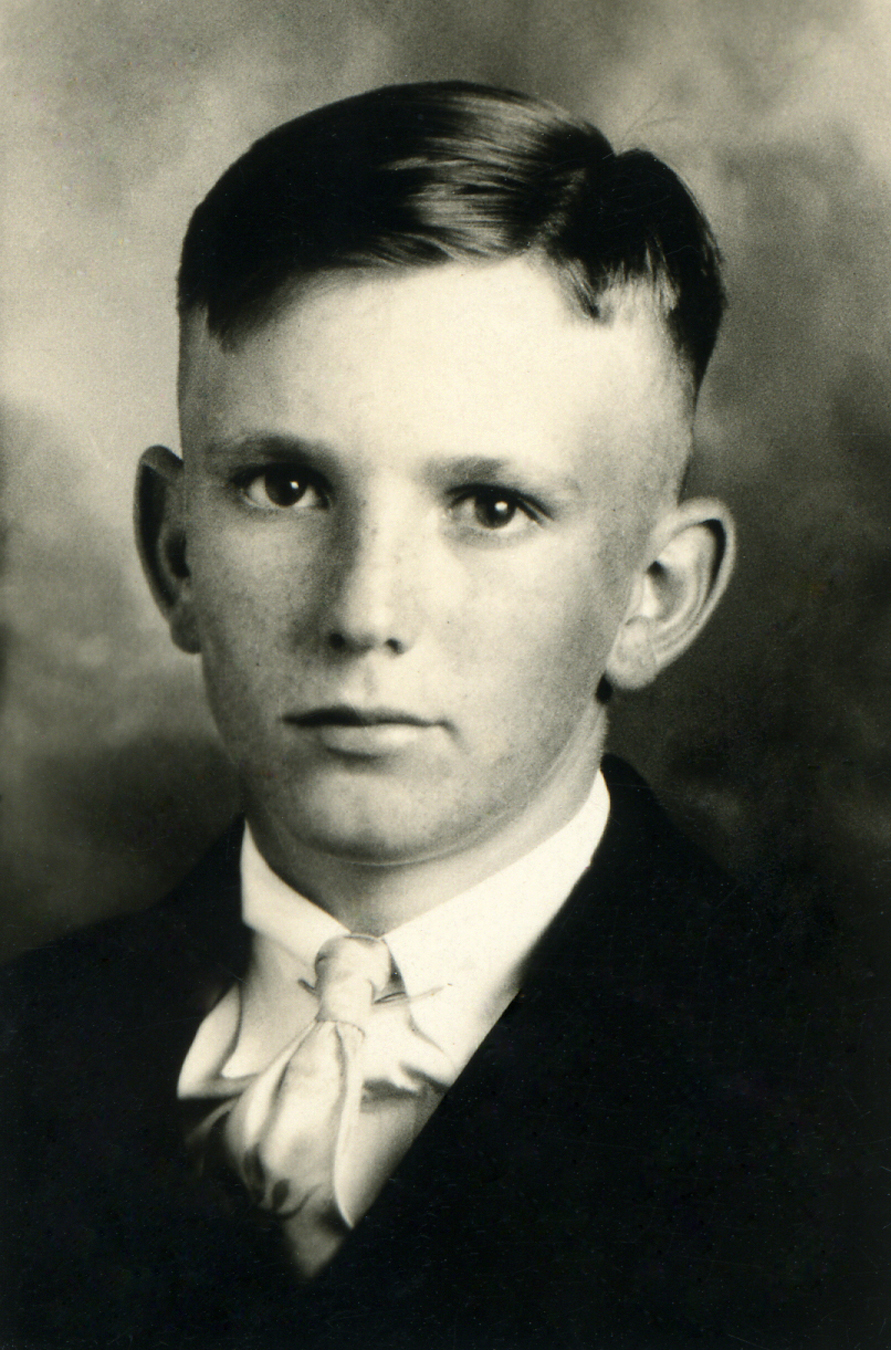
Uncle Ben was the uncle of your great grandfather, Ira. That makes him your second great uncle on your father’s side of the family. He owned a hardware and farm implements store in Friona, Texas, where Great Grandad Ira worked for him as a teenager in the 1930s.
Uncle Ben was a kind and generous man. During the Great Depression, he knew that everyone was poor and that the preacher had not been paid for several months. So, he went to the bank and made a personal loan of several hundred dollars, and then took Grandad Ira with him to the preacher’s house.
“Some of us got together and came up with this back pay to keep you going,” he said to the preacher.
Back in the car, Grandad Ira asked uncle Ben why he had lied, saying “some of us,” when it was really only Uncle Ben.
“Well, there’s me, and there’s you, and then there’s the banker. That’s ‘some of us,’ isn’t it?” was Uncle Ben’s response.
And so, Uncle Ben made Grandad Ira part of a secret gift. And now, your own uncle, Ben, is named after him; and then, in a way, so is young Colin whose middle name is also Benjamin. This is a good legacy among the saints.
_____________________________________________________________
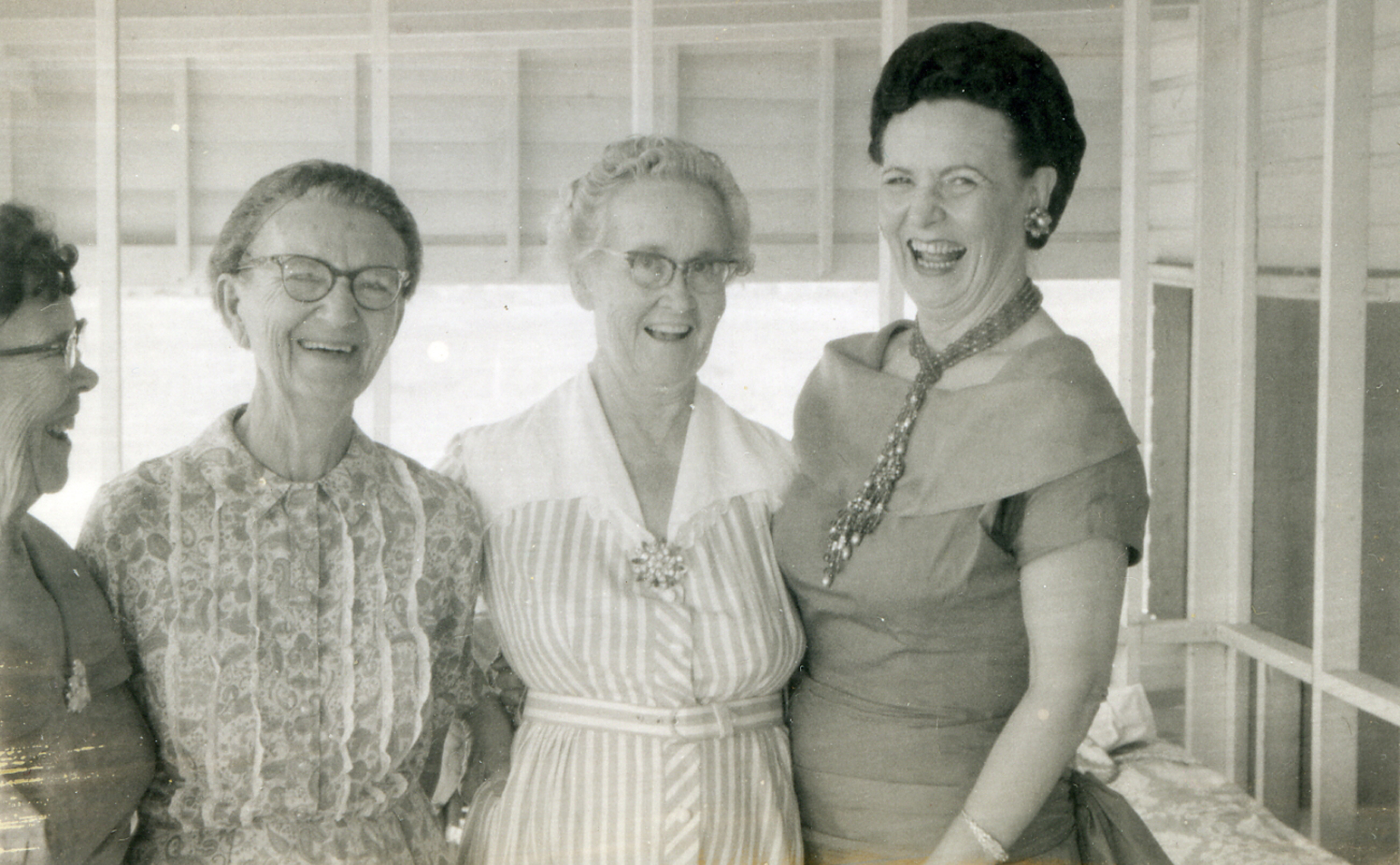
Four Sisters: Lula, Nellie, Alma Lee, and Julia
“Sing unto the Lord a new song.” (Isaiah 42:10)

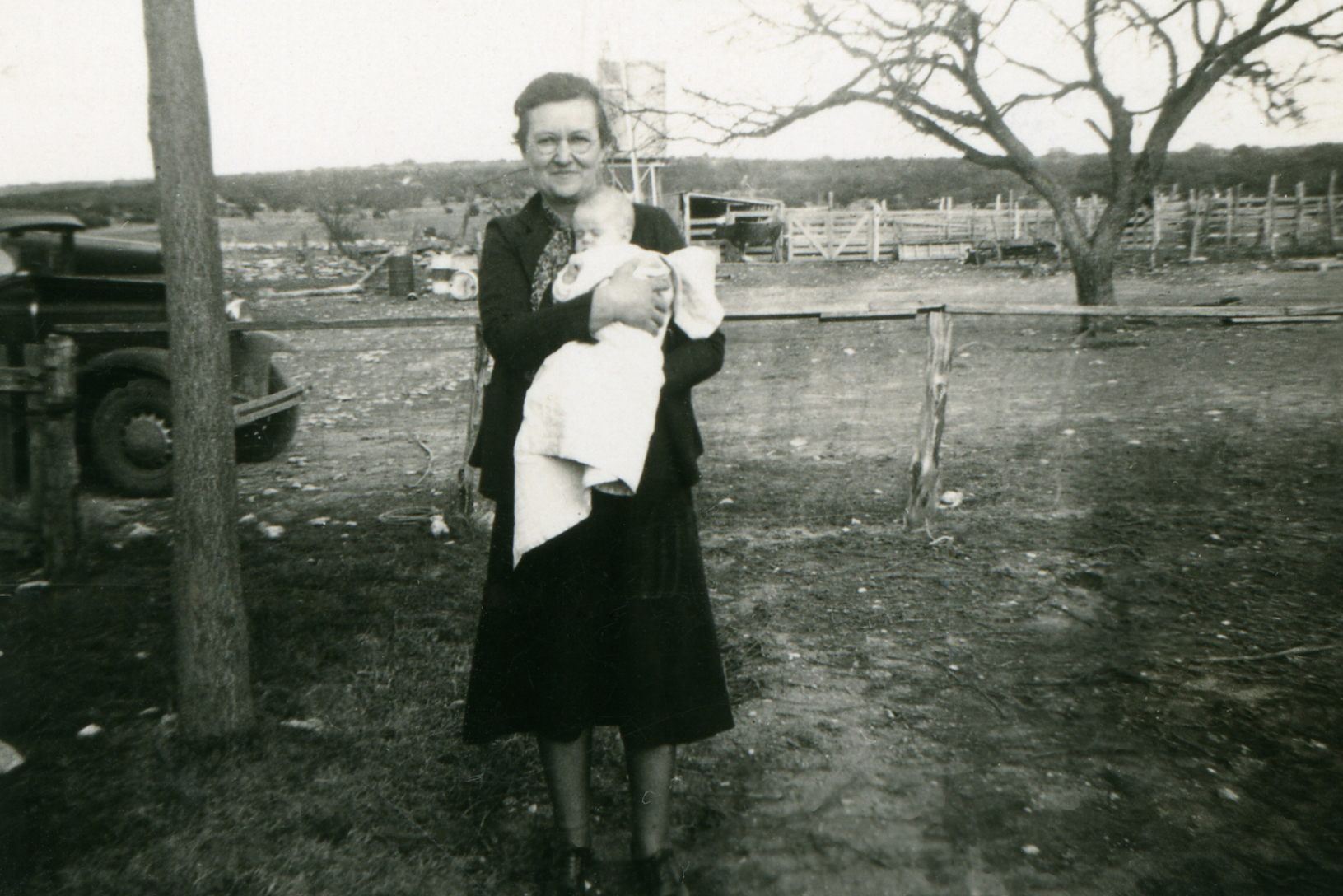
Mama Gallaway (Julia, your second great grandmother, on the right above) and her sisters were born between 1880 and 1903. They were women of faith, humor, and interesting character. When Mama was very sick one time—the doctor even said she might die—Lula, Nellie, and Alma Lee gathered at Lula’s house in Glen Cove, Texas, a few miles away from where Mama lay in her bed. They gathered to sing hymns and to pray for their sister.
The next morning Mama was much better. She told them how she had come to them during the night “in the spirit,” and how she had heard their prayers and listened as they sang. She even knew the very songs they had sung, and what they had said to one another.
And so, God gave them a gift. Not only was Mama’s life spared, but they also shared and remembered this event of close, spiritual communion with each other for the rest of their lives.
Now they are all gone from this earth; but they are surely still singing before the throne of God as they await the great day of resurrection and celebration.
_________________________________________________
Footnotes
- It is important to notice in this regard that the New Testament is far more interested in the ongoing effort and the ultimate destiny of the people of God (see Romans 8:18-39; 1 Cor. 15:35-58; and Rev. 21-22) than in any detailed description of the current intermediate state of those who have died or “fallen asleep” in Christ. Excellent reading on these matters can be found in the works of N. T. Wright, Surprised by Hope, and The Resurrection of the Son of God.
 Faith and the Arts